
Homer’s The Odyssey reveals rich descriptions of Bronze Age ships and seafaring
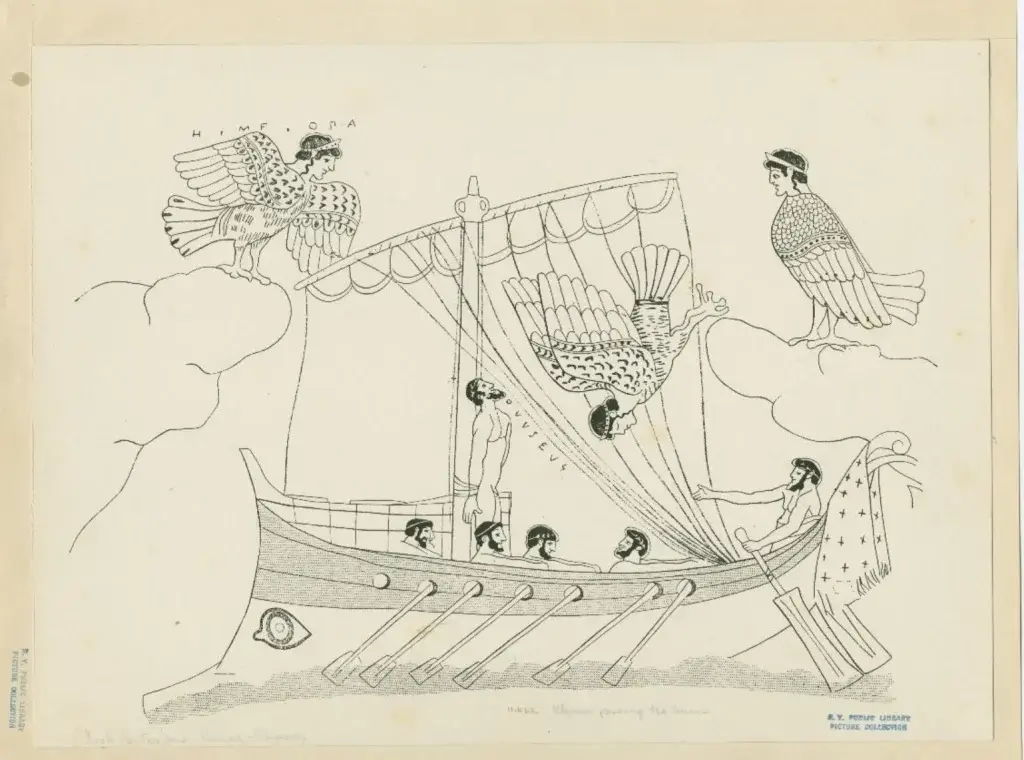
-by John S. Sledge This summer, as people jam theaters and thrill to Christopher Nolan’s blockbuster rendition of “The Odyssey,” book sales of the ancient Greek epic have commensurately skyrocketed. Of the well over 60 English translations currently available, none has sold as briskly or generated as much comment as that by Emily Wilson, a […]
When the Story Begins to Take Shape
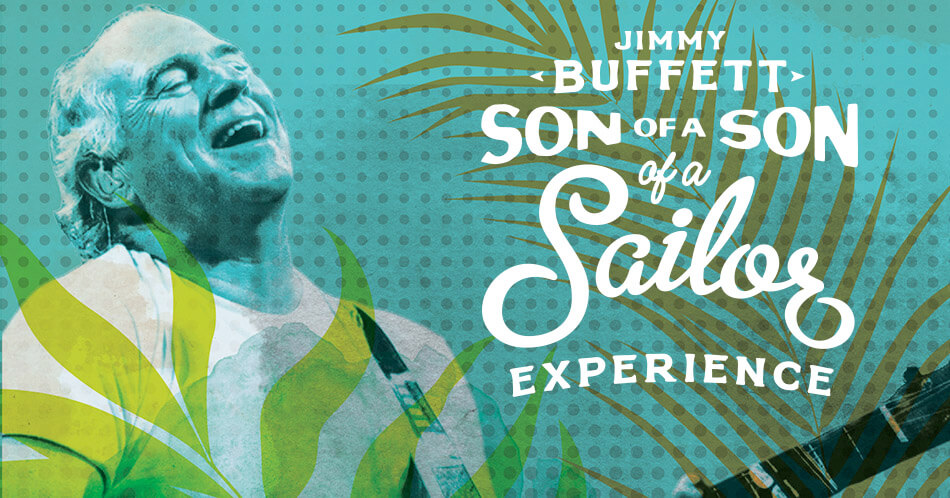
There are moments in every museum project that feel significant. The first phone call. The first artifact. The first interview. The first time you realize that the story you are trying to tell is something much bigger than yourself. This week, another one of those moments arrived. Construction has officially begun on the Son of a […]
The Battle of Vigo Bay
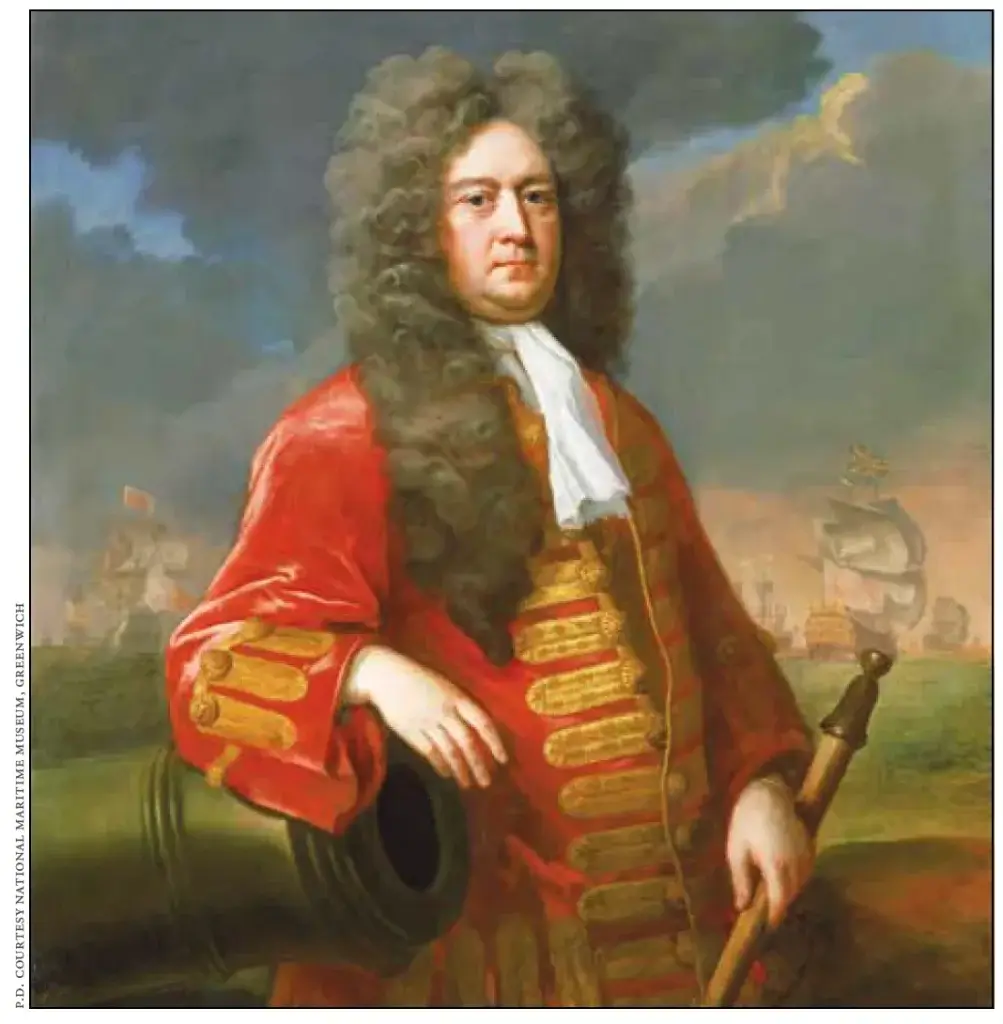
This article originally appeared Sea History. -by John S. Sledge Jules Verne made it famous. In part II, chapter VIII, of his 1869 novel Twenty Thousand Leagues Under the Sea, Captain Nemo deftly steers the Nautilus towards the northwestern Spanish coast and into the recesses of Vigo Bay. There, an astonished Professor Aronnax observes the […]
Life at Sea: What Was It Like for Sailors in the 1800s?
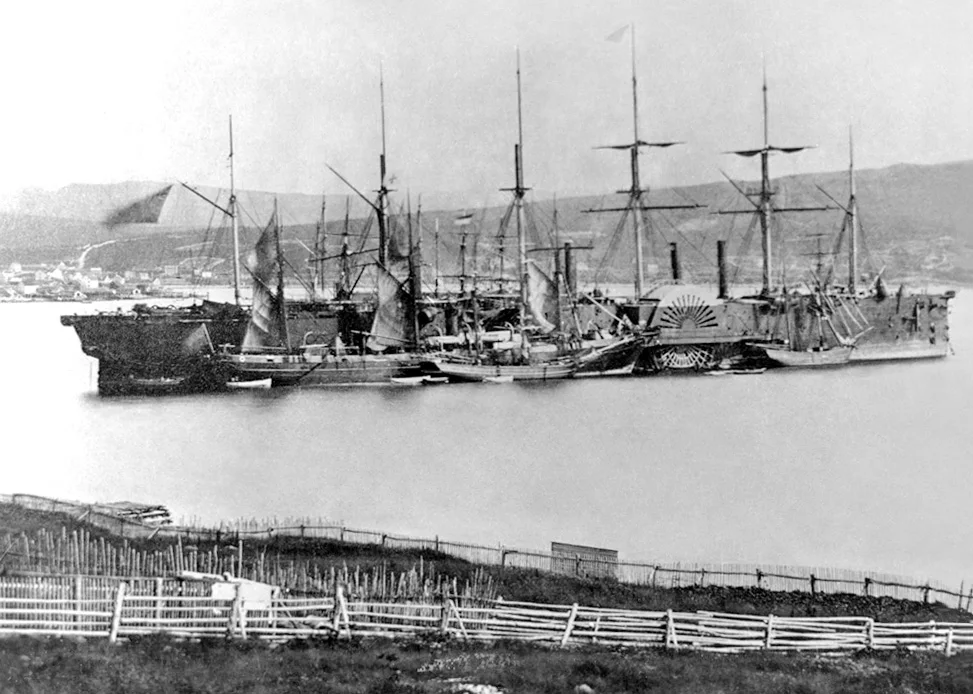
The 1800s were a defining century for life at sea. Sailors powered global trade, exploration, fishing, and warfare during an era when oceans were the primary highways connecting continents. Yet life aboard a 19th‑century vessel was far removed from the romance often associated with tall ships and distant horizons. For the men—and in rare cases, […]
Protecting Our Waters: Conservation Challenges in the Gulf
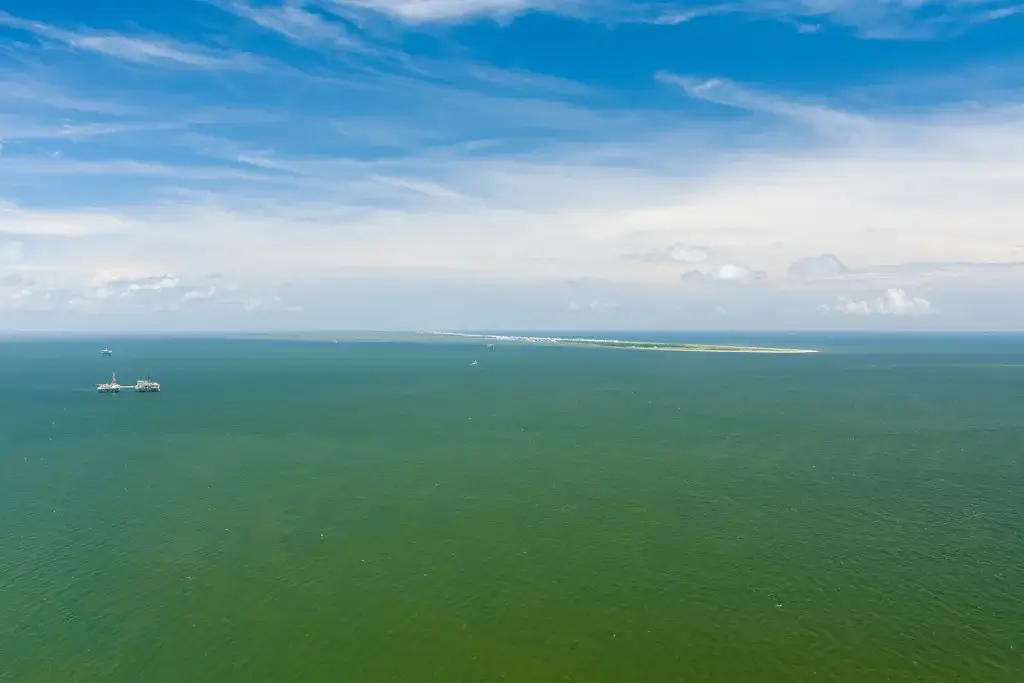
The Gulf is a vibrant and dynamic ecosystem, supporting a diverse array of marine life, vital industries, and cultural traditions. Stretching over 600,000 square miles and bordered by the United States, Mexico, and Cuba, this body of water is integral to the economic and environmental health of the region. However, it faces an array of […]
How Ships Navigate the Ocean: Past vs. Present
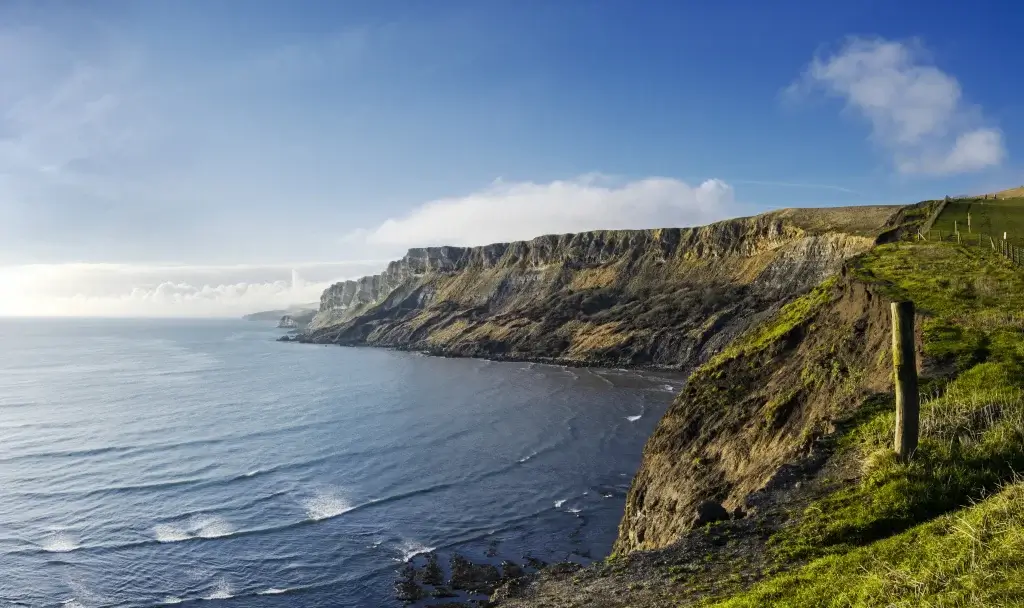
For as long as humans have taken to the sea, navigation has been one of the greatest challenges of maritime life. Knowing where you are, where you are going, and how to get there safely has determined the success—or failure—of voyages for thousands of years. From reading the stars and watching the waves to relying […]
How Maritime Innovations Shaped Gulf Coast Communities
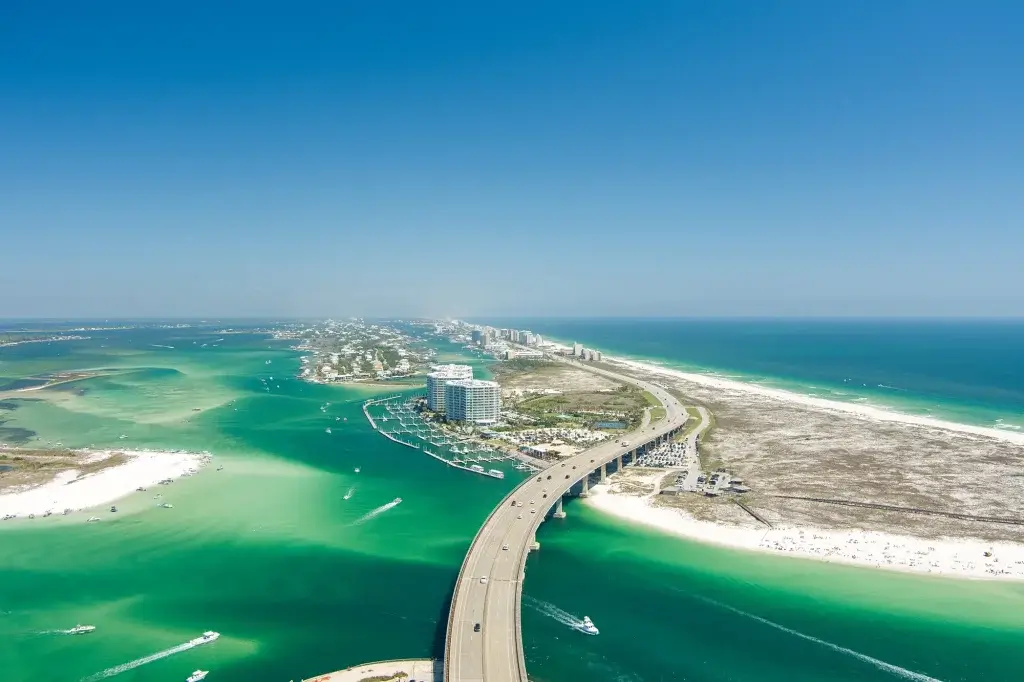
The Gulf Coast of the United States, a region brimming with cultural diversity, economic vitality, and natural beauty, owes much of its identity to its maritime heritage. Over centuries, innovations in maritime technology and infrastructure have profoundly influenced the Gulf Coast’s communities, transforming small fishing villages into bustling ports and driving economic and social development. […]
Marine Science & Environment in the Gulf
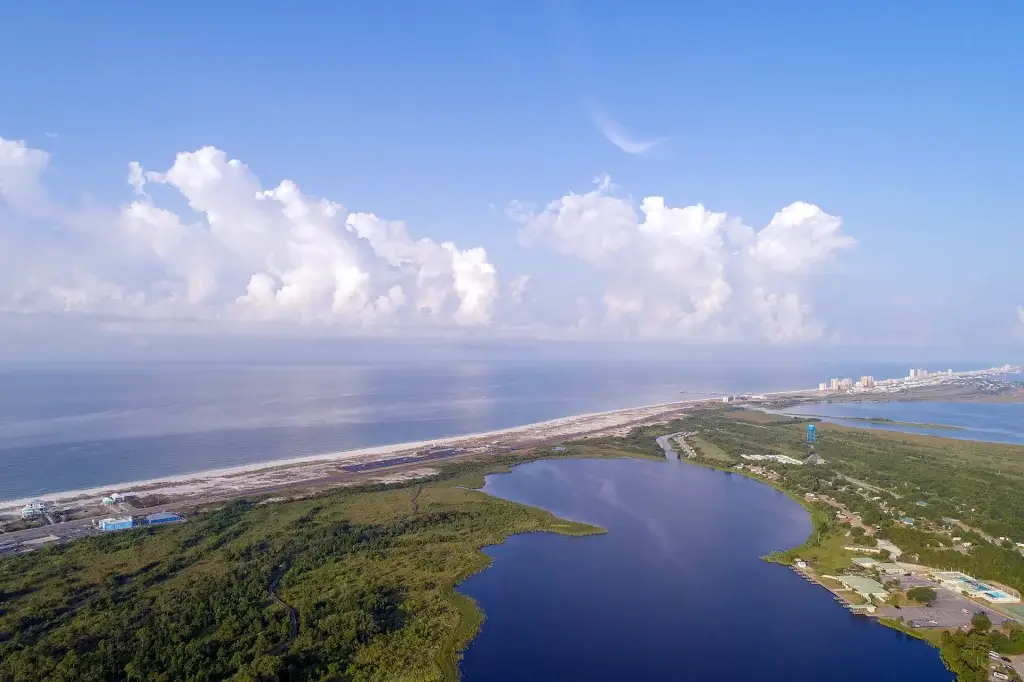
The Gulf, a vast body of water bordered by the United States, Mexico, and Cuba, is one of the most ecologically and economically significant regions in the world. It is home to a rich diversity of marine life, vital habitats, and some of the most productive fisheries on the planet. At the same time, it […]
History of the Port of Mobile
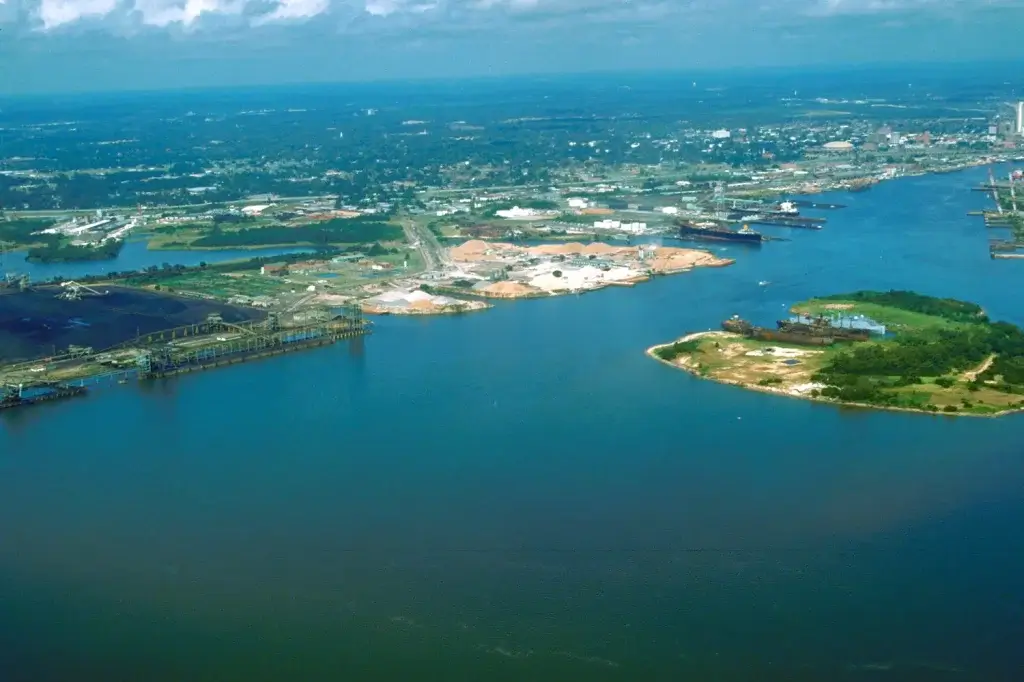
The Port of Mobile is one of the oldest and most important ports in the United States. Situated at the head of Mobile Bay where the Mobile and Tensaw Rivers meet the Gulf, the port has served for centuries as a gateway between inland America and the wider world. Its history reflects the broader story […]
Sunk But Not Forgotten: The Stories Behind WWII Shipwrecks in the Gulf
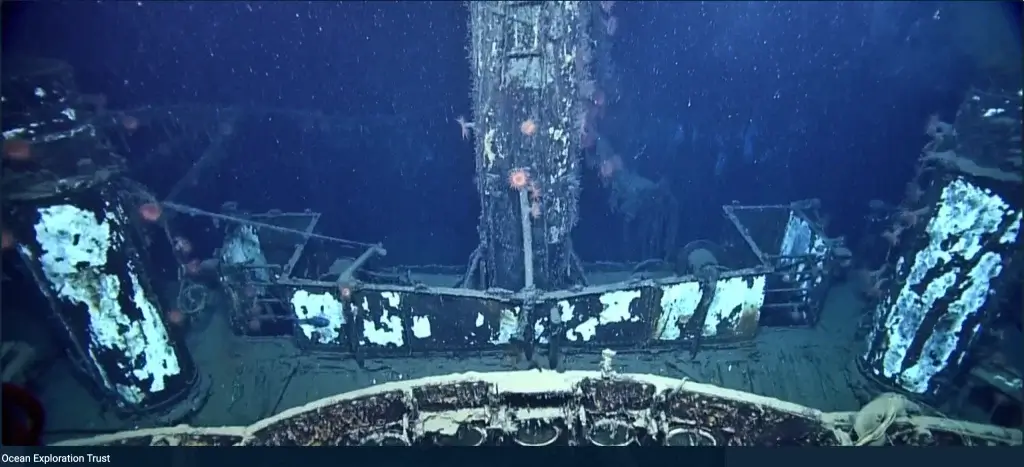
The Gulf, with its rich history and strategic importance during World War II, is home to numerous shipwrecks that serve as underwater time capsules. These wrecks, remnants of naval battles, submarine attacks, and wartime logistics, tell the stories of courage, loss, and resilience. As German U-boats prowled the Gulf waters and Allied forces scrambled to […]