
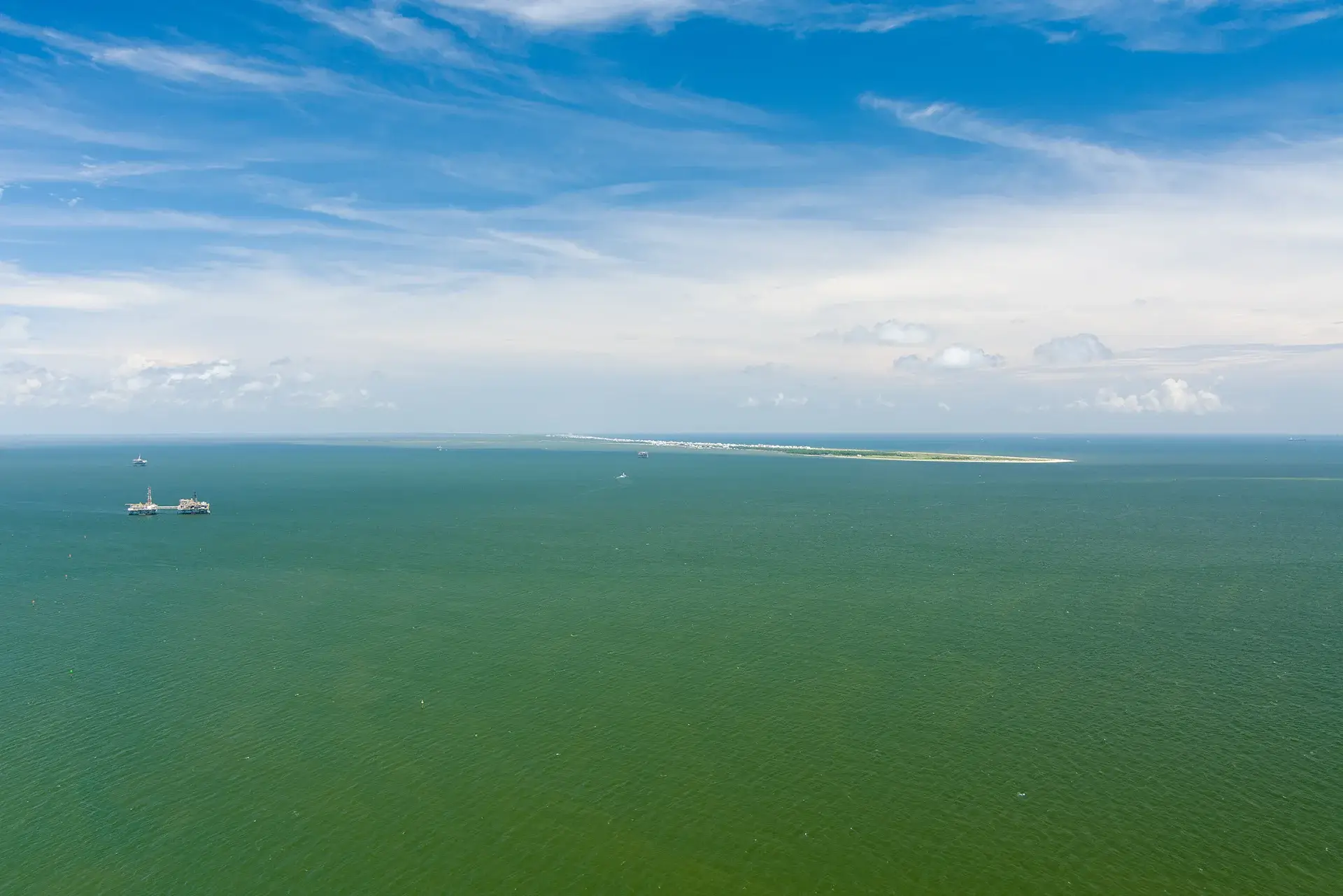
The Gulf is a vibrant and dynamic ecosystem, supporting a diverse array of marine life, vital industries, and cultural traditions. Stretching over 600,000 square miles and bordered by the United States, Mexico, and Cuba, this body of water is integral to the economic and environmental health of the region. However, it faces an array of conservation challenges that threaten its ecological integrity and the livelihoods of those who depend on it. From habitat loss to pollution, the Gulf’s future depends on coordinated efforts to address these pressing issues.
The Importance of the Gulf
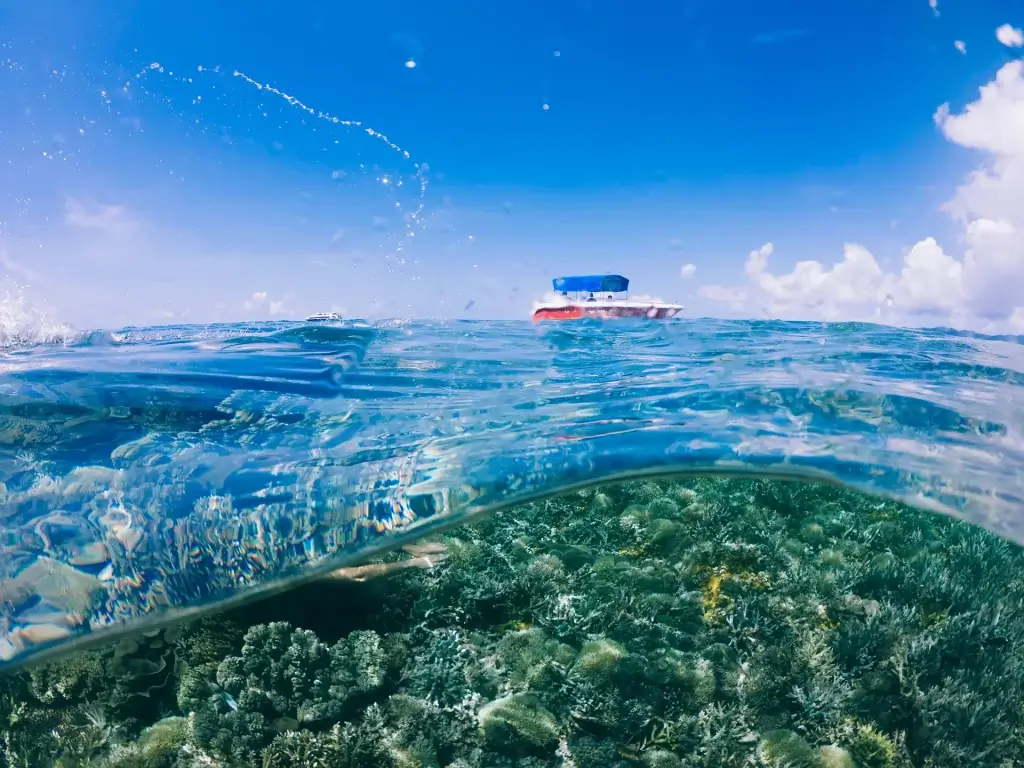
The Gulf is more than just a body of water; it is an economic engine and ecological treasure. Its ecosystems, which include coral reefs, mangroves, seagrass beds, and salt marshes, provide critical habitat for thousands of species, including many that are endangered. The Gulf also supports:
- Fisheries: The region is one of the most productive fishing areas in the world, supplying shrimp, oysters, crab, and fish to global markets.
- Energy: The Gulf is a hub for oil and natural gas production, with thousands of offshore rigs and platforms.
- Tourism: Pristine beaches, recreational fishing, and water sports attract millions of visitors annually, generating billions in revenue.
- Carbon Sequestration: Coastal habitats like mangroves and seagrasses play a crucial role in absorbing carbon dioxide, mitigating climate change.
Despite these benefits, human activities and environmental pressures are taking a toll on this vital resource.
Major Conservation Challenges
1. Habitat Loss and Degradation
The Gulf’s coastal habitats, such as wetlands, mangroves, and coral reefs, are being lost at an alarming rate. Wetlands, for instance, are disappearing due to urban development, agriculture, and sea-level rise. Louisiana alone loses approximately a football field’s worth of wetlands every hour.
- Impact: The loss of these habitats reduces biodiversity, disrupts fish nurseries, and increases vulnerability to storm surges.
- Solutions: Restoring degraded habitats, creating marine protected areas, and implementing sustainable land-use practices are essential steps toward reversing this trend.
2. Pollution
Pollution is one of the most pervasive threats to the Gulf. Sources include agricultural runoff, industrial discharges, and plastic waste.
- Nutrient Pollution and Dead Zones: Runoff from fertilizers and animal waste in the Mississippi River Basin feeds algal blooms in the Gulf. When these blooms die and decompose, they create hypoxic “dead zones” where oxygen levels are too low to support marine life. The Gulf’s dead zone is one of the largest in the world, covering thousands of square miles each summer.
- Plastic Pollution: The Gulf is inundated with plastic debris, from microplastics to abandoned fishing gear. This pollution harms marine life, which can ingest or become entangled in plastic waste.
- Solutions: Reducing agricultural runoff through better land management practices, improving wastewater treatment facilities, and promoting plastic reduction initiatives can significantly curb pollution.
3. Climate Change
Climate change poses a long-term threat to the Gulf, exacerbating existing issues and creating new challenges.
- Rising Sea Temperatures: Warmer waters are causing coral bleaching and altering fish migration patterns, disrupting ecosystems and fisheries.
- Sea Level Rise: Coastal erosion and flooding are increasing as sea levels rise, threatening both natural habitats and human communities.
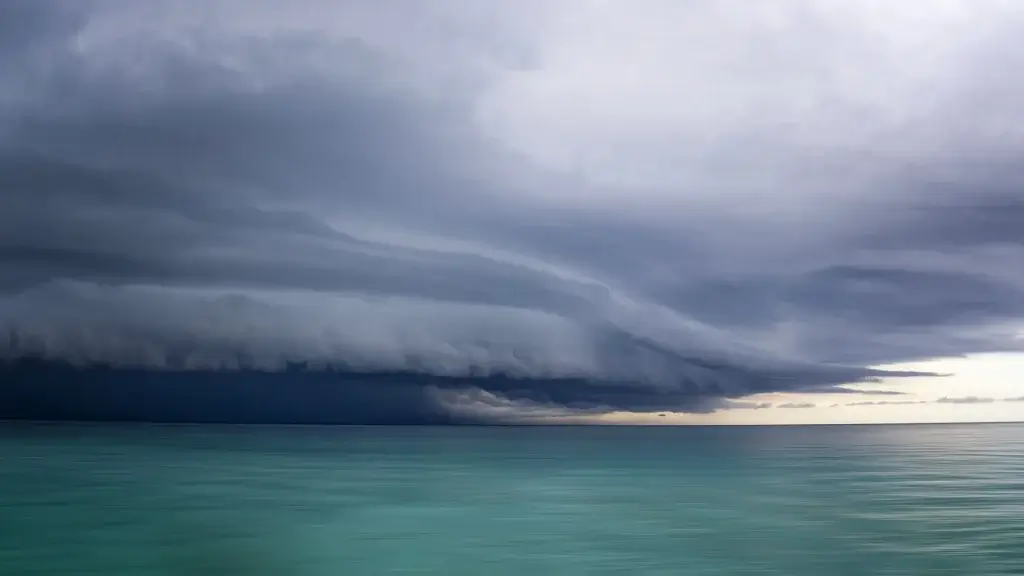
- Stronger Hurricanes: Climate change is intensifying hurricanes, leading to more frequent and severe storms that damage ecosystems, infrastructure, and livelihoods.
- Solutions: Investing in climate resilience, such as restoring natural buffers like wetlands and mangroves, and transitioning to renewable energy sources can help mitigate these impacts.
4. Overfishing
The Gulf’s rich fisheries are under pressure from overfishing and unsustainable practices.
- Impact: Overfishing reduces fish populations, disrupts food webs, and threatens the long-term viability of the fishing industry. Bycatch, the unintended capture of non-target species, further exacerbates the problem.
- Solutions: Enforcing catch limits, adopting sustainable fishing gear, and expanding marine protected areas are key strategies for ensuring healthy fish stocks.
5. Oil Spills and Industrial Accidents
The Gulf’s role as a center for oil and gas production comes with significant environmental risks.
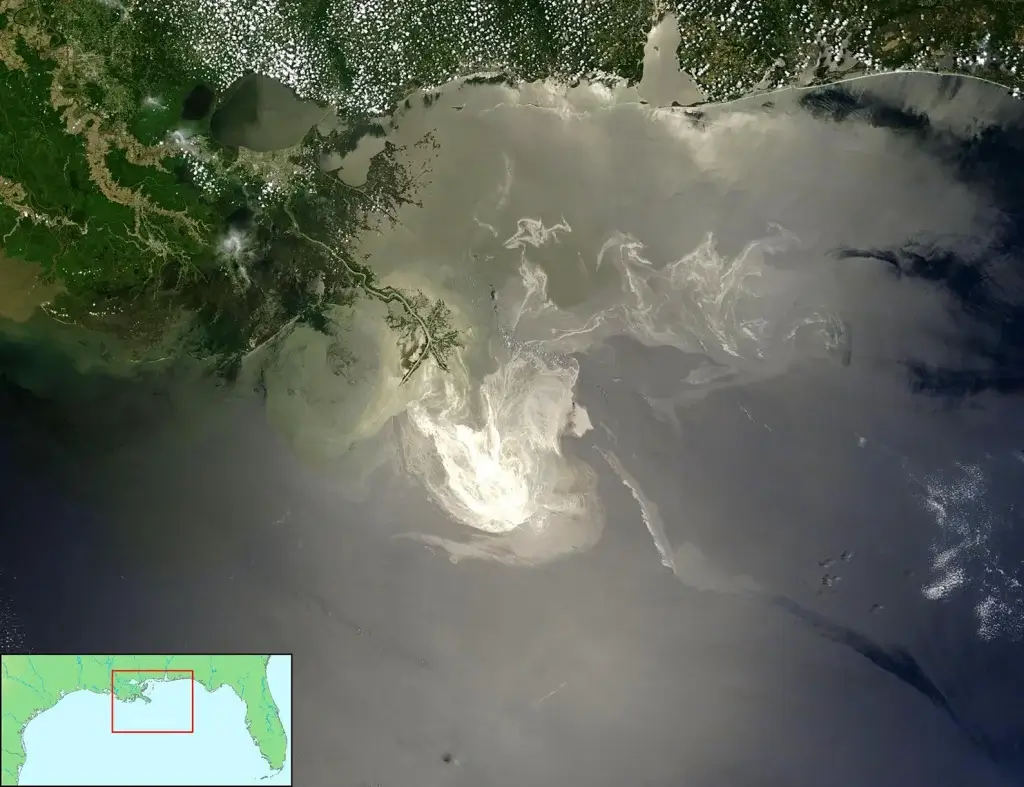
- Deepwater Horizon Disaster: The 2010 Deepwater Horizon oil spill released millions of barrels of oil into the Gulf, causing widespread ecological and economic damage. Many species and habitats have yet to fully recover.
- Ongoing Risks: Leaks and spills from aging infrastructure and abandoned wells continue to pose threats.
- Solutions: Strengthening safety regulations, improving spill response capabilities, and transitioning to cleaner energy sources can reduce the likelihood and impact of future incidents.
Success Stories in Gulf Conservation
Despite the challenges, there are numerous success stories that demonstrate the power of conservation efforts:
- Coastal Restoration Projects: In Louisiana, large-scale initiatives like sediment diversions are helping rebuild wetlands and restore natural processes that sustain the coastline.
- Marine Protected Areas: The Flower Garden Banks National Marine Sanctuary, located off the coasts of Texas and Louisiana, protects vital coral reefs and marine life, providing a blueprint for future conservation areas.
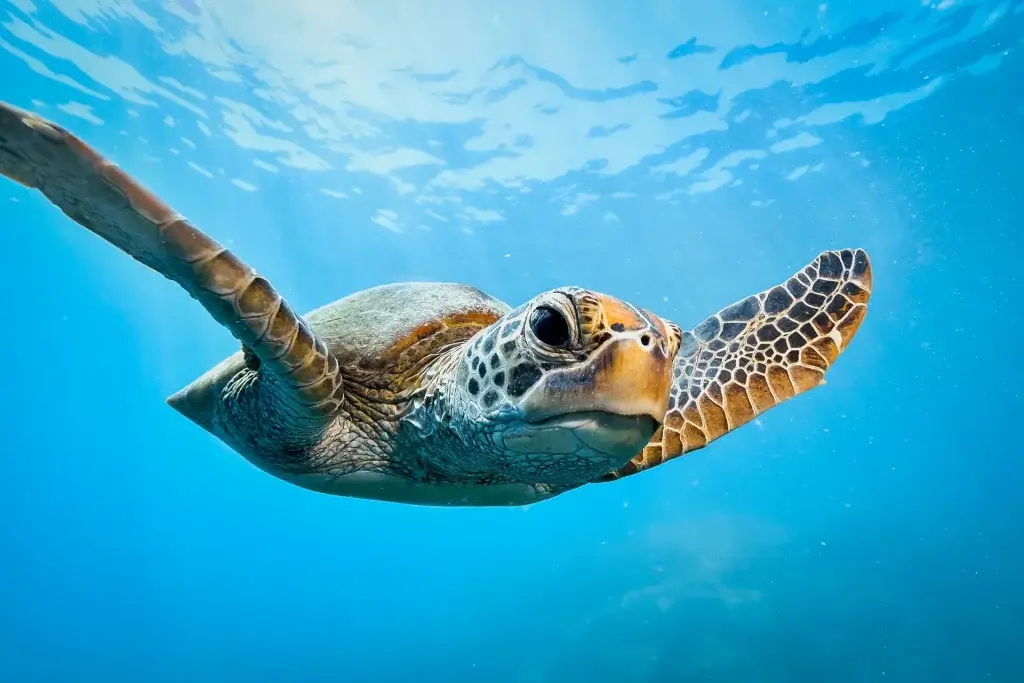
- Sea Turtle Recovery: Conservation efforts, such as protecting nesting beaches and reducing bycatch, have led to increases in sea turtle populations in the Gulf.
- Community Engagement: Grassroots organizations and citizen science programs have empowered local communities to take an active role in monitoring and protecting their coastal environments.
The Role of Policy and Collaboration
Addressing the Gulf’s conservation challenges requires coordinated action across multiple sectors and borders. Key elements of effective conservation policy include:
- Cross-Border Cooperation: The Gulf is shared by three nations, making international collaboration essential for managing shared resources and addressing transboundary issues like pollution and overfishing.
- Sustainable Development: Balancing economic growth with environmental protection is critical. Policies that incentivize sustainable practices in industries such as fishing, tourism, and energy production can drive positive change.
- Scientific Research: Investing in marine science and monitoring programs provides the data needed to inform effective management strategies and measure progress.
- Public Awareness and Education: Raising awareness about the Gulf’s importance and the threats it faces can inspire individuals, businesses, and governments to take action.
Looking Ahead: A Vision for the Gulf’s Future
The Gulf is at a crossroads. While the challenges are significant, the potential for positive change is immense. By investing in conservation, fostering collaboration, and embracing innovation, we can protect the Gulf’s ecosystems and ensure they continue to thrive for generations to come.
- Resilient Ecosystems: Restored habitats, thriving fisheries, and healthy coral reefs can provide a foundation for ecological stability and economic prosperity.
- Sustainable Economies: Cleaner energy production, sustainable tourism, and responsible fishing practices can create jobs while protecting the environment.
- Empowered Communities: Engaging local communities in conservation efforts ensures that those who depend on the Gulf’s resources have a voice in its future.
Conclusion
Protecting the Gulf is not just an environmental imperative; it is an economic, cultural, and social necessity. The challenges are complex, but the rewards of successful conservation are vast. By working together, we can safeguard this vital resource and ensure it remains a source of life, livelihood, and inspiration for generations to come.