
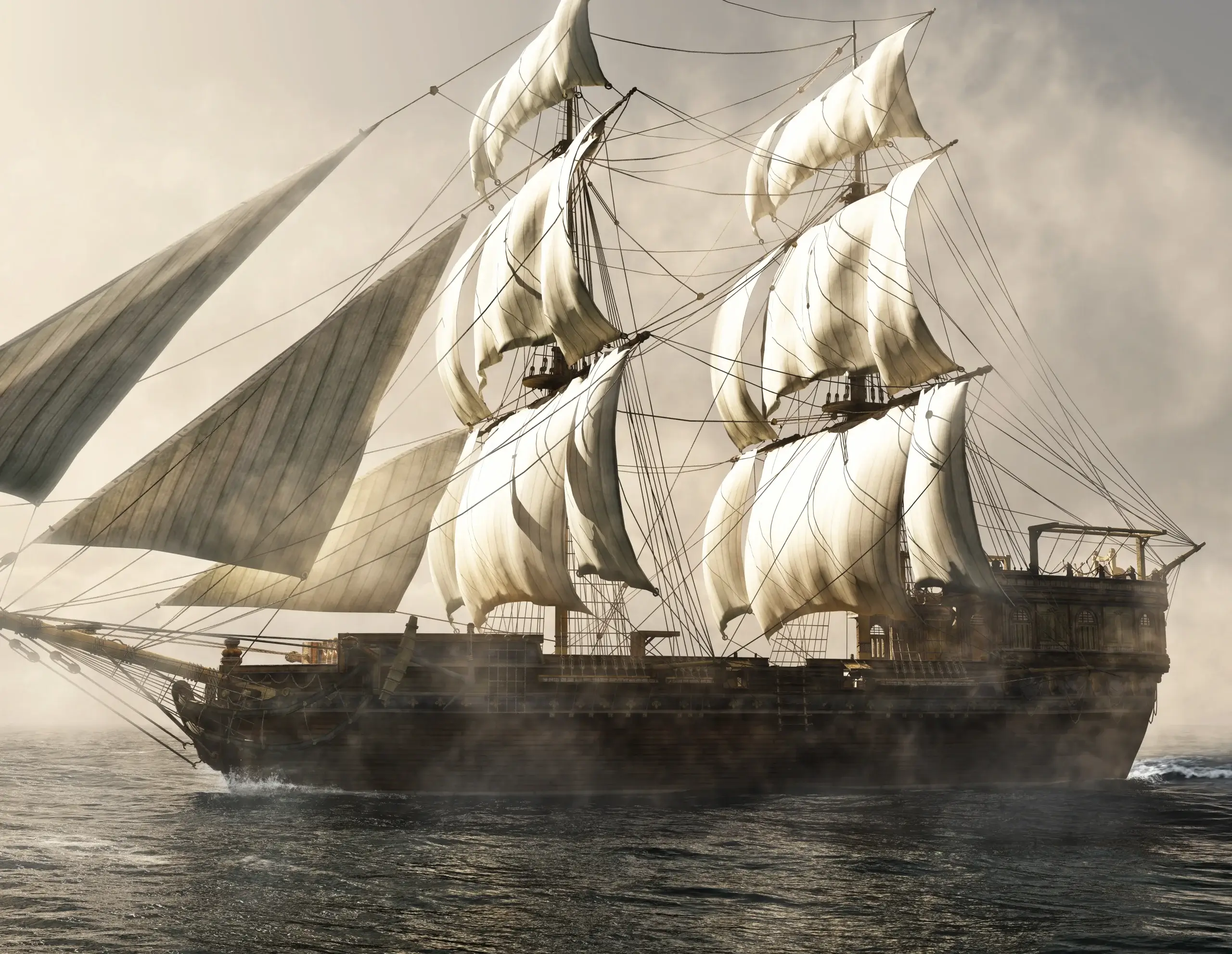
Maritime history is the story of how people have interacted with the sea, rivers, and coasts over time. It explores ships and sailors, trade and travel, fishing and shipbuilding, and the ways waterways shaped communities and nations. For students beginning to explore this subject, maritime history offers an engaging way to understand the past through real people, powerful technologies, and the natural environment.
This beginner’s guide introduces the core ideas of maritime history and explains why it matters—both in museums and in the classroom.
What Is Maritime History?
Maritime history focuses on human activity connected to water. This includes oceans, seas, bays, rivers, and harbors. While ships and naval battles often capture attention, maritime history is much broader. It studies how people lived and worked on the water, how goods moved from place to place, and how waterways shaped culture, economy, and exploration.
Maritime history overlaps with many subjects students may already know, including geography, science, economics, and social studies. It shows how water connects communities rather than separating them.
Early Waterways and Indigenous Knowledge
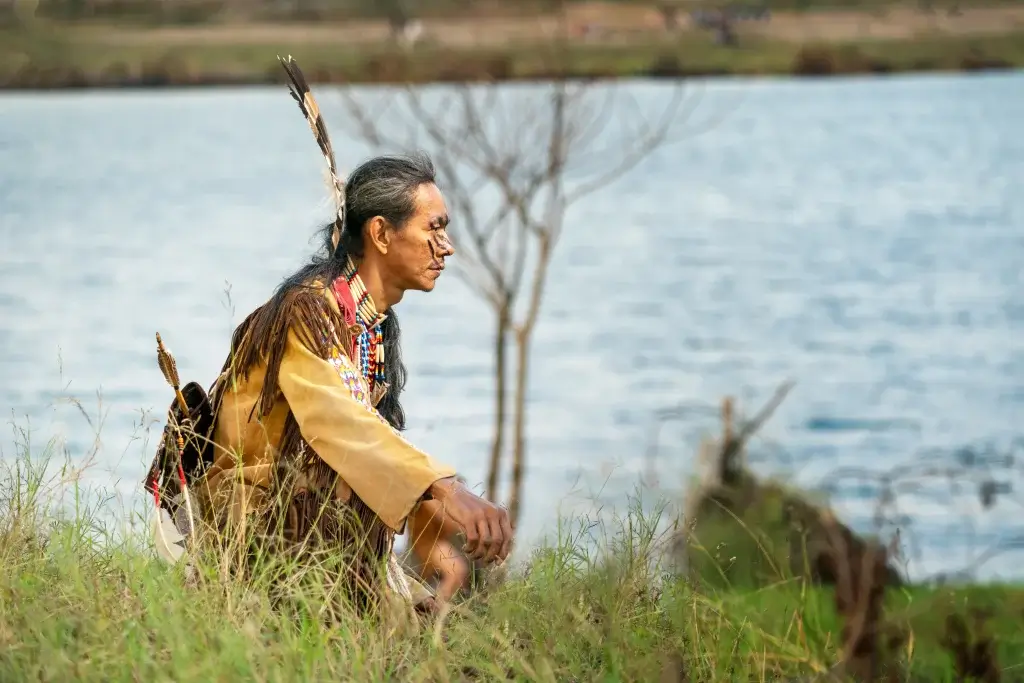
Long before modern ships existed, Indigenous peoples around the world relied on waterways for travel, fishing, and trade. Canoes, kayaks, and other early boats were designed to match local environments, from rivers and wetlands to open coastal waters.
These early mariners developed deep knowledge of tides, currents, seasons, and weather. Their understanding of the natural world made water travel safer and more efficient and laid the groundwork for later maritime traditions.
Studying Indigenous maritime history helps students recognize that navigation and seafaring knowledge existed long before European exploration.
Ships and Technology Through Time
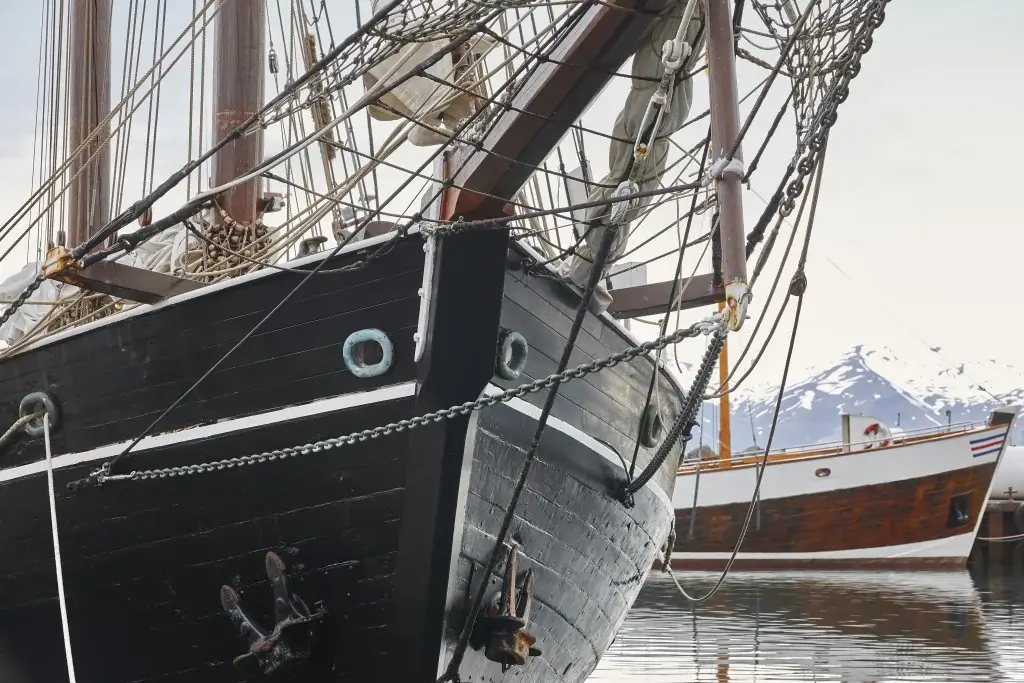
One of the most exciting parts of maritime history is the evolution of ships. Early sailing vessels relied on wind and simple navigation tools. Over time, shipbuilders improved hull designs, added more efficient sails, and developed stronger materials.
The introduction of steam power in the 19th century transformed maritime travel and trade. Steamships could travel faster and more reliably than sailing ships, no longer dependent on wind alone. Later, diesel engines, steel hulls, and container ships reshaped global shipping once again.
By studying ships, students can see how technology responds to human needs and changing economic demands.
Life at Sea
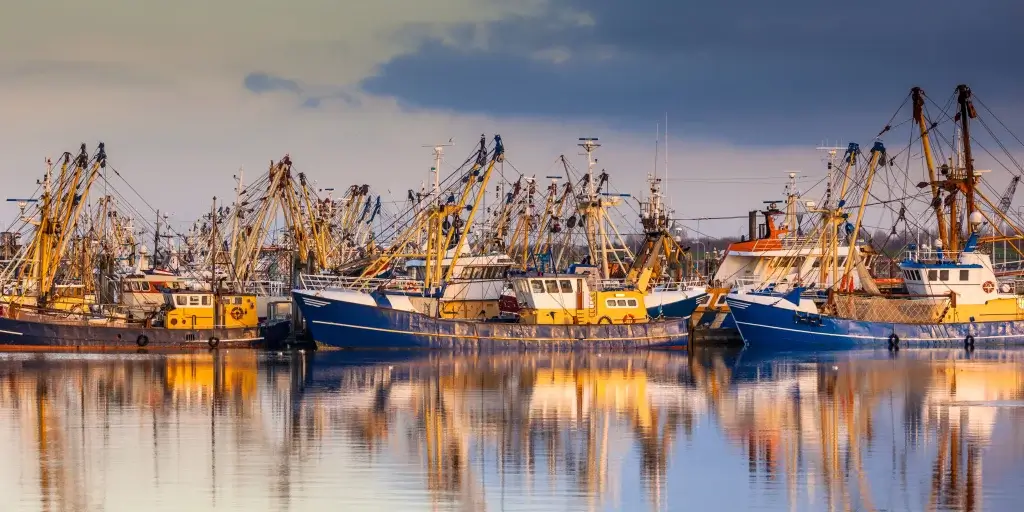
Maritime history also focuses on the people who worked on the water. Sailors, fishermen, pilots, and shipbuilders all played important roles. Life at sea was often difficult and dangerous, especially in earlier centuries.
Sailors faced long voyages, harsh weather, limited food, and strict discipline. Fishermen worked long hours and depended on their knowledge of the sea to survive. Despite the challenges, these workers formed strong communities and traditions that shaped maritime culture.
Learning about daily life at sea helps students understand history from a human perspective, not just through dates and events.
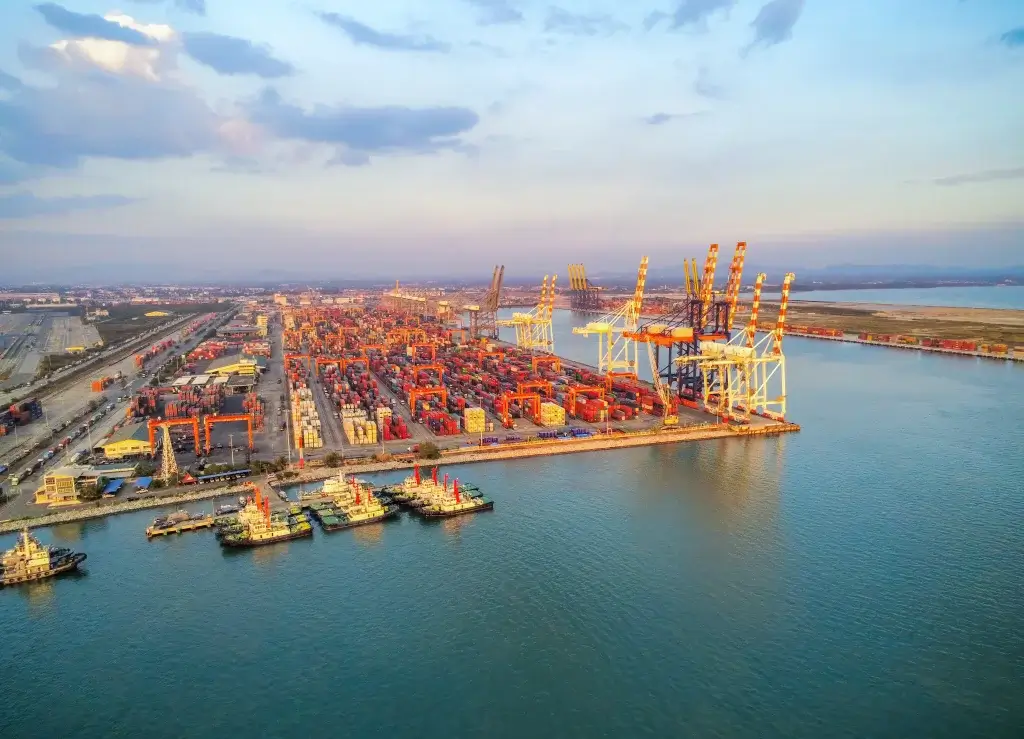
Maritime Trade and Global Connections
Maritime trade is one of the most important themes in maritime history. Ships allowed goods to move across long distances more efficiently than over land. Agricultural products, raw materials, and manufactured goods traveled by water, connecting local economies to global markets.
Ports became centers of trade and cultural exchange. People from different countries met, shared ideas, and influenced one another. This movement of goods and people helped shape languages, food traditions, and customs.
For students, maritime trade shows how the world has been connected for centuries through waterways.
Rivers, Ports, and Coastal Communities
Maritime history is not limited to the open ocean. Rivers and coastal waters were just as important. Inland rivers allowed boats to carry goods deep into the interior of continents, linking farms and towns to ports.
Ports grew where ships could safely dock, load, and unload cargo. Over time, these ports developed into cities, supported by dockworkers, merchants, and shipyards. Coastal communities often depended on fishing, trade, and shipbuilding for their livelihoods.
Understanding these connections helps students see how geography influences human settlement and economic development.
Conflict and Defense on the Water
Waterways have also played a major role in conflict and defense. Control of seas and ports often determined the outcome of wars. Naval vessels protected trade routes, enforced blockades, and transported troops.
Maritime history examines how ships, technology, and strategy changed warfare. It also highlights the experiences of sailors and shipyard workers whose labor supported military efforts.
Studying maritime conflict encourages students to think critically about how geography and technology influence historical events.
The Environment and the Sea
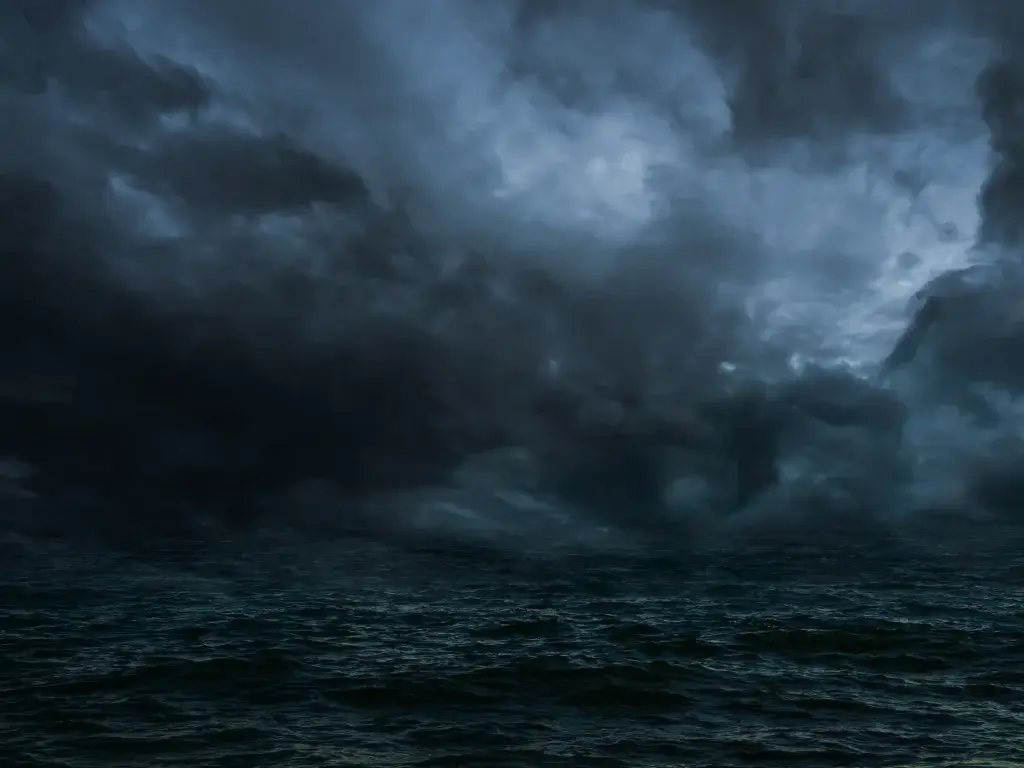
Maritime history is closely tied to the natural environment. Weather, currents, tides, and marine ecosystems affected where people could travel and settle. Fishermen depended on healthy waters, while shipbuilders relied on natural resources like timber and metal.
Modern maritime history also considers environmental challenges such as pollution, overfishing, and climate change. Museums often use maritime history to help students understand the relationship between human activity and the ocean.
This perspective connects past actions to present-day environmental questions.
What Do Maritime Museums Teach?
Maritime museums bring history to life through ships, artifacts, photographs, and personal stories. Students can explore navigation tools, ship models, sailor journals, and working boats that reveal how people lived and worked on the water.
Museums encourage hands-on learning and critical thinking. By examining real objects, students learn to ask questions, analyze evidence, and understand history as a lived experience rather than a set of facts.
Maritime museums also connect local history to global themes, helping students see how their community fits into a larger story.
Why Maritime History Matters for Students
Maritime history helps students understand how the modern world developed. Global trade, cultural exchange, and technological innovation were all shaped by maritime activity. Studying this history builds skills in observation, problem-solving, and interdisciplinary thinking.
It also highlights the contributions of diverse groups whose labor and knowledge made maritime life possible. By learning maritime history, students gain a deeper appreciation for the people and environments that shaped the past.
Conclusion
Maritime history is an accessible and engaging subject for students of all ages. It combines adventure, technology, culture, and environmental awareness into one powerful story.
As a beginner’s guide, maritime history invites students to look at the world through the lens of water—understanding how seas and rivers connected people, supported communities, and shaped human history. Maritime museums play a key role in inspiring that curiosity and helping students see the past as something they can explore, question, and understand.
Your Next Adventure Starts Here.
Explore fascinating exhibits, discover incredible stories, and experience the museum for yourself.