
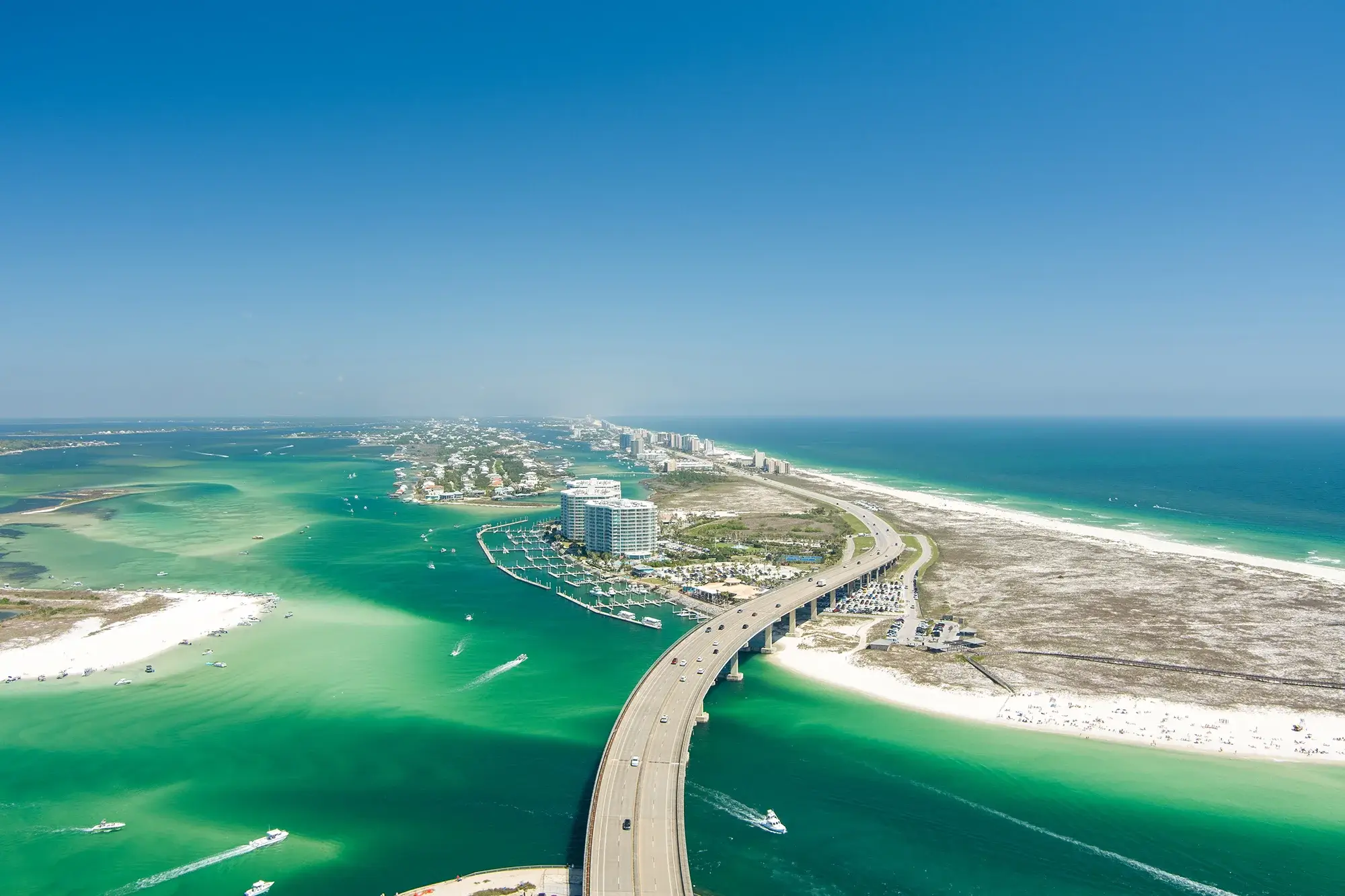
The Gulf Coast of the United States, a region brimming with cultural diversity, economic vitality, and natural beauty, owes much of its identity to its maritime heritage. Over centuries, innovations in maritime technology and infrastructure have profoundly influenced the Gulf Coast’s communities, transforming small fishing villages into bustling ports and driving economic and social development. From the advent of steamships to modern offshore drilling rigs, these advancements have left an indelible mark on the region’s landscape and way of life.
The Early Days: Foundations of Maritime Culture
Long before the arrival of Europeans, indigenous peoples of the Gulf Coast utilized canoes and other watercraft to fish and trade along the coastline. These early maritime practices laid the groundwork for a culture deeply intertwined with the sea. When European settlers arrived in the 16th century, they brought with them advanced shipbuilding techniques and navigational tools, setting the stage for the Gulf Coast to become a hub of maritime activity.
The 18th and 19th centuries saw significant developments, such as the construction of harbors, lighthouses, and early dockyards. Cities like New Orleans and Mobile emerged as key ports, facilitating the movement of goods like cotton, sugar, and seafood. This period also marked the introduction of steam-powered vessels, which revolutionized trade and travel, allowing for faster and more reliable transportation.
The Rise of Industrial Maritime Innovations
As the industrial revolution swept across the United States, the Gulf Coast became a focal point for maritime innovation. The late 19th and early 20th centuries saw the development of modern shipbuilding techniques, deeper ports, and improved navigational systems. These advancements not only boosted trade but also reshaped Gulf Coast communities in profound ways.
- Port Development: Cities like Houston, Tampa, and New Orleans expanded their port infrastructure to accommodate larger ships. The dredging of waterways, such as the Houston Ship Channel, allowed these ports to handle increased cargo volumes, solidifying their roles as economic powerhouses.
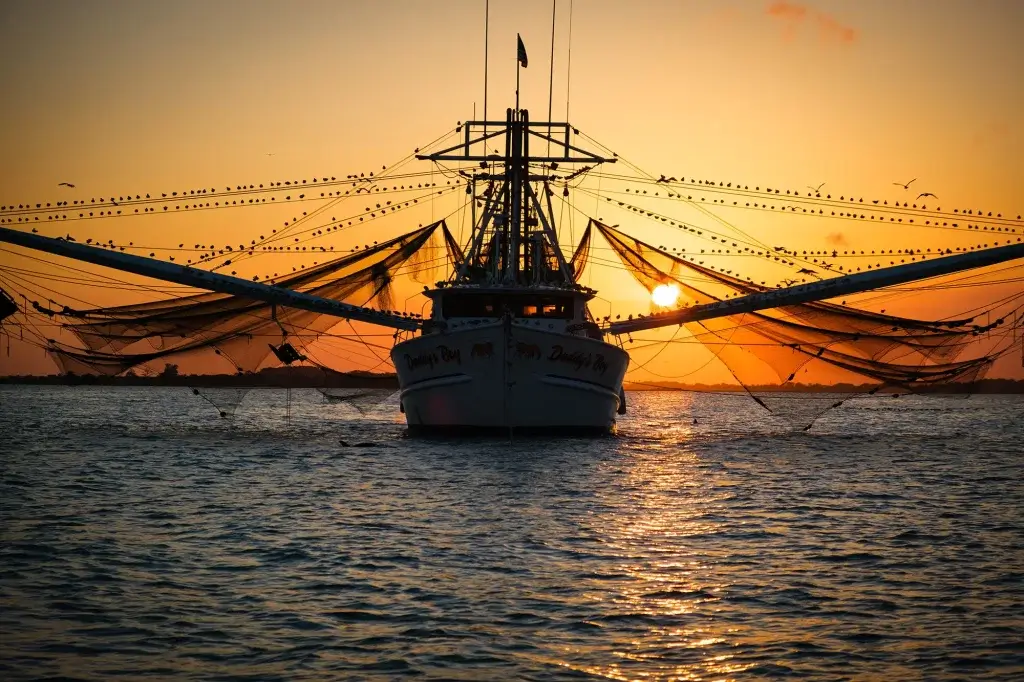
- Fishing Industry: Advances in refrigeration and trawling technology transformed the Gulf Coast’s fishing industry. Communities like Biloxi, Mississippi, became renowned for their seafood, exporting shrimp, oysters, and fish to markets across the country.
- Oil and Gas Exploration: The discovery of oil in the early 20th century and the subsequent development of offshore drilling technology had a transformative impact on Gulf Coast communities. Cities like Galveston and Corpus Christi grew rapidly, supported by an influx of workers and investments in infrastructure.
Modern Innovations: Shaping Today’s Gulf Coast
In recent decades, the Gulf Coast has continued to benefit from cutting-edge maritime technologies. These innovations have not only driven economic growth but also enhanced sustainability, safety, and resilience.
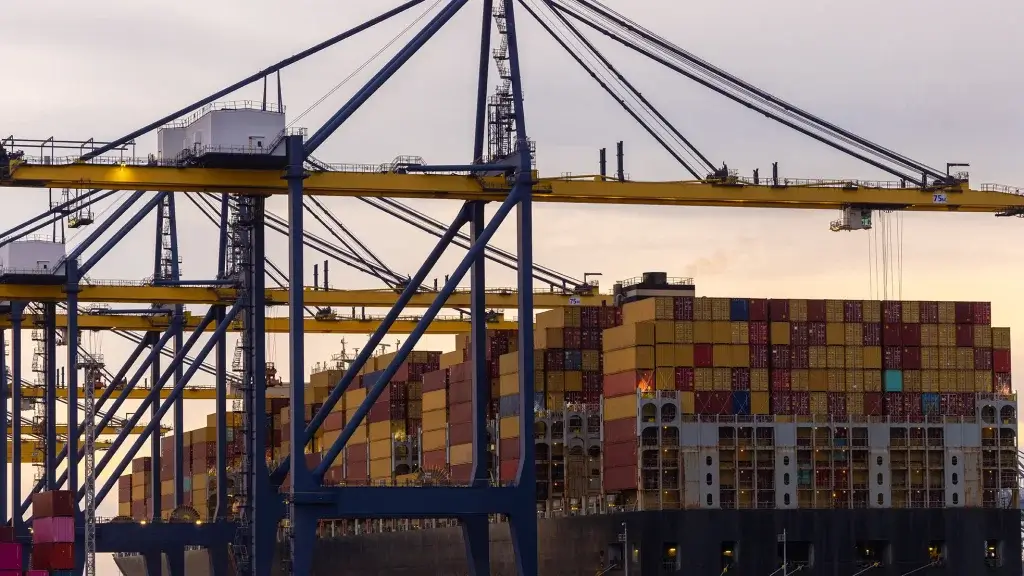
- Containerization: The introduction of standardized shipping containers revolutionized global trade, and Gulf Coast ports were quick to adapt. Ports like Houston and Mobile invested in state-of-the-art container terminals, streamlining operations and reducing costs.
- Offshore Platforms: Modern offshore oil and gas platforms are engineering marvels, enabling the extraction of resources from deep beneath the seabed. These structures have created thousands of jobs and supported ancillary industries such as equipment manufacturing and logistics.
- Automation and Digitalization: Advances in automation, robotics, and digital technologies have made Gulf Coast ports more efficient and competitive. Automated cranes, real-time tracking systems, and artificial intelligence are now standard features in many facilities.
- Sustainable Practices: In response to environmental concerns, Gulf Coast communities have embraced green technologies. Innovations such as hybrid-electric vessels, renewable energy integration, and eco-friendly port operations reflect a commitment to sustainability.
Cultural Impacts of Maritime Innovations
The influence of maritime innovations extends beyond economics; they have also shaped the culture and identity of Gulf Coast communities. The region’s music, cuisine, and festivals often draw inspiration from its maritime heritage.
- Music and Art: The Gulf Coast’s maritime history is celebrated in its vibrant music scene, from New Orleans jazz to coastal folk songs. Visual art also reflects the region’s connection to the sea, with maritime themes prominently featured in local galleries and museums.
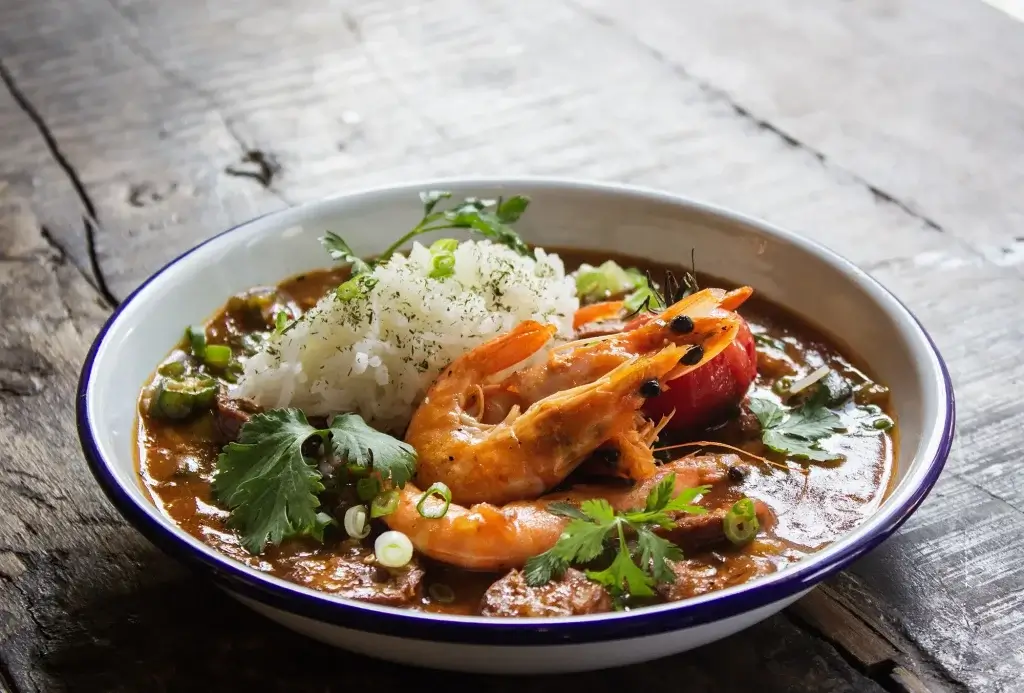
- Cuisine: Gulf Coast cuisine is a testament to the region’s reliance on the sea. Dishes like gumbo, jambalaya, and fresh seafood platters showcase the bounty of the Gulf and the blending of diverse cultural influences.
- Festivals and Traditions: Maritime-themed festivals, such as Biloxi’s Blessing of the Fleet and Galveston’s Tall Ships Festival, celebrate the Gulf Coast’s seafaring traditions and foster a sense of community pride.
Challenges and Resilience
While maritime innovations have brought prosperity to the Gulf Coast, they have also introduced challenges. Environmental degradation, hurricanes, and economic fluctuations pose significant risks to the region’s maritime industries and communities.
- Environmental Concerns: Oil spills, habitat destruction, and overfishing threaten the Gulf’s delicate ecosystem. Innovations in environmental monitoring and mitigation are crucial for balancing economic growth with ecological preservation.
- Hurricane Resilience: The Gulf Coast is highly vulnerable to hurricanes, which can devastate ports, infrastructure, and communities. Advances in storm prediction, resilient construction, and emergency response have helped mitigate these impacts.
- Economic Diversification: Overreliance on industries like oil and gas makes Gulf Coast communities susceptible to market volatility. Efforts to diversify the regional economy, including investments in renewable energy and tourism, are essential for long-term stability.
The Future of Maritime Innovation on the Gulf Coast
Looking ahead, the Gulf Coast is poised to remain at the forefront of maritime innovation. Emerging technologies and evolving global trends present opportunities to further enhance the region’s economic and cultural vitality.
- Renewable Energy: Offshore wind farms and wave energy projects have the potential to transform the Gulf Coast into a leader in renewable energy production.
- Smart Ports: The adoption of smart technologies, such as blockchain for supply chain transparency and AI-driven logistics, will enhance the efficiency and competitiveness of Gulf Coast ports.
- Climate Adaptation: Investments in resilient infrastructure, coastal restoration, and sustainable practices will help Gulf Coast communities adapt to climate change and rising sea levels.
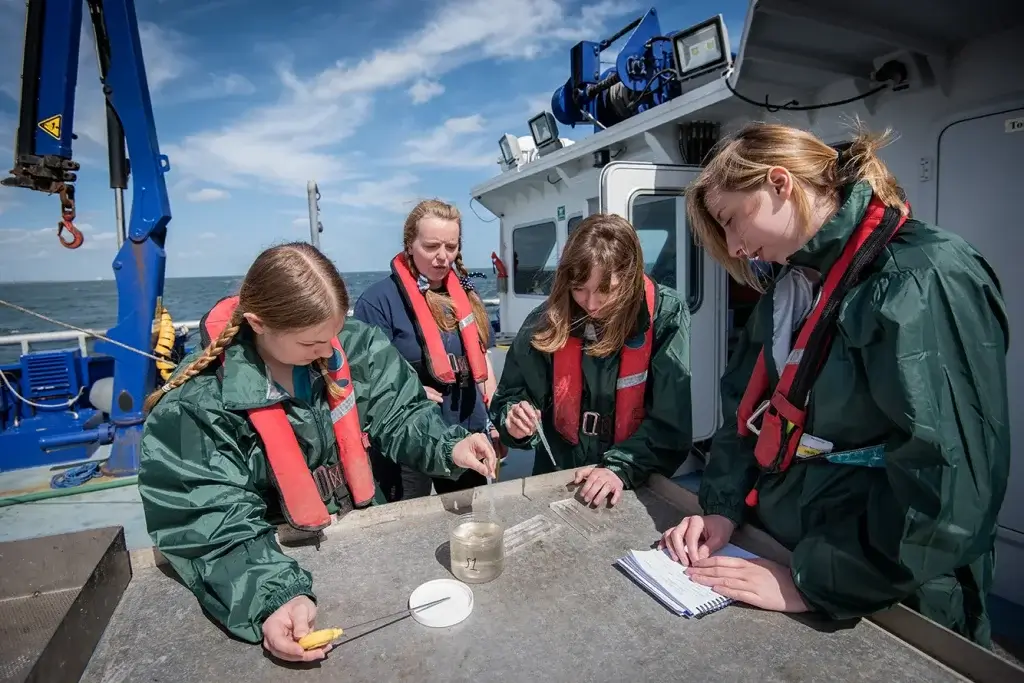
- Marine Research and Education: Expanding research initiatives and educational programs focused on marine sciences and engineering can foster innovation and prepare the next generation of maritime professionals.
Conclusion
Maritime innovations have shaped the Gulf Coast in profound ways, driving economic growth, cultural enrichment, and community development. From the early days of wooden sailboats to the era of automated container ships and offshore wind farms, the region’s connection to the sea remains as vital as ever.
As the Gulf Coast faces the challenges and opportunities of the 21st century, its maritime heritage and innovative spirit will continue to guide its path forward. By embracing new technologies, fostering sustainability, and preserving its rich cultural traditions, the Gulf Coast can ensure a thriving future for generations to come.