
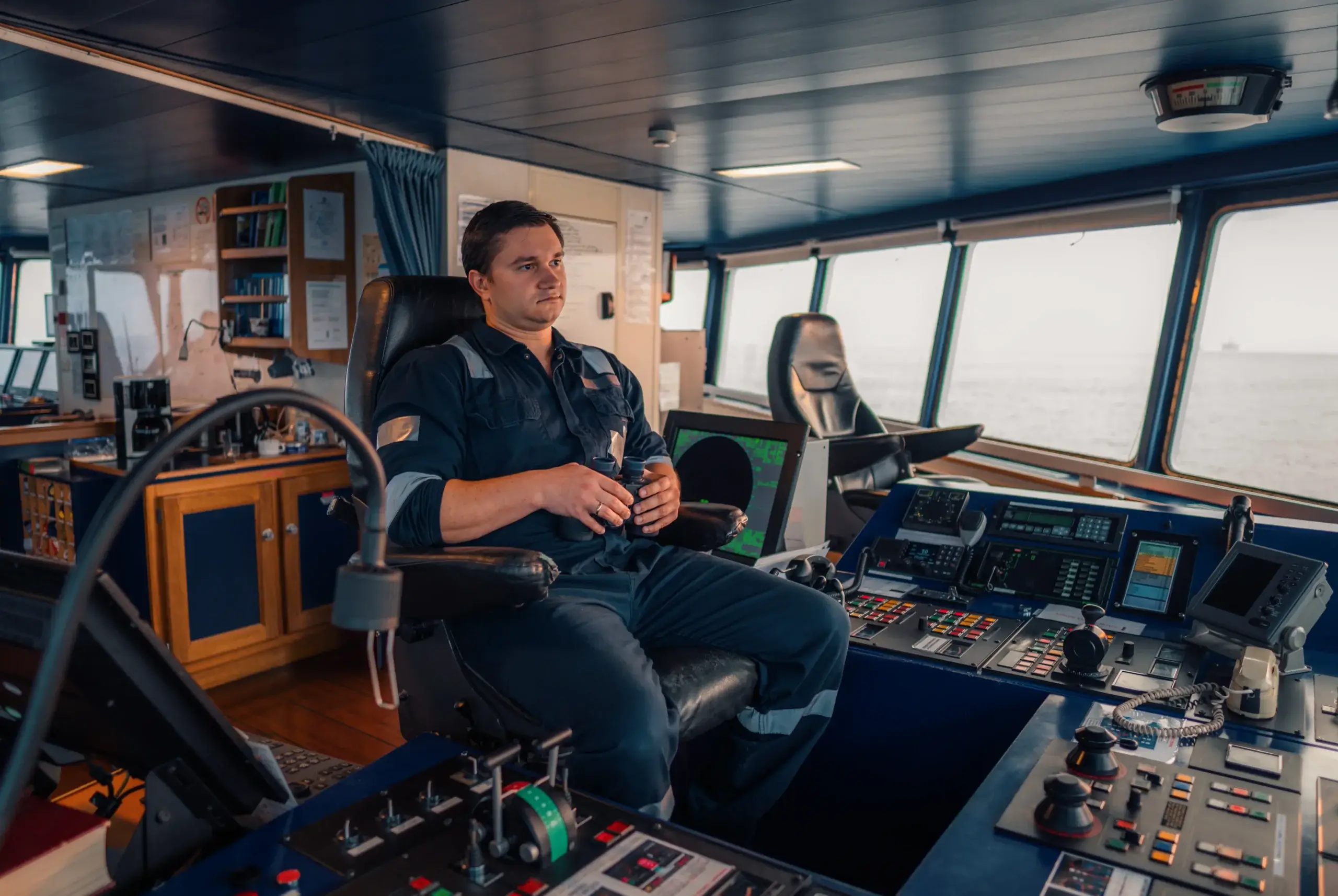
The Gulf Coast’s economy has long been shaped by the water. From quiet bayous and busy river ports to the open waters of the Gulf, maritime jobs have sustained communities, driven innovation, and connected the region to global markets. Long before highways and railroads dominated transportation, livelihoods along the Gulf depended on ships, docks, fisheries, and shipyards. These maritime professions—often dangerous, physically demanding, and underrecognized—formed the backbone of the Gulf Coast economy.
For a maritime museum, exploring these jobs offers a way to tell the human story behind trade, industry, and coastal culture.
Indigenous Maritime Labor and Early Waterways
Maritime work along the Gulf Coast began long before European settlement. Indigenous peoples relied on fishing, shellfish harvesting, canoe building, and river-based trade. These activities were not only subsistence practices but also economic systems that supported regional exchange networks.
Knowledge of tides, currents, weather, and seasonal patterns was essential. Indigenous maritime labor established traditions of working with the water that would influence later fishing, navigation, and boatbuilding industries throughout the Gulf.
Sailors, Pilots, and Early Seafarers
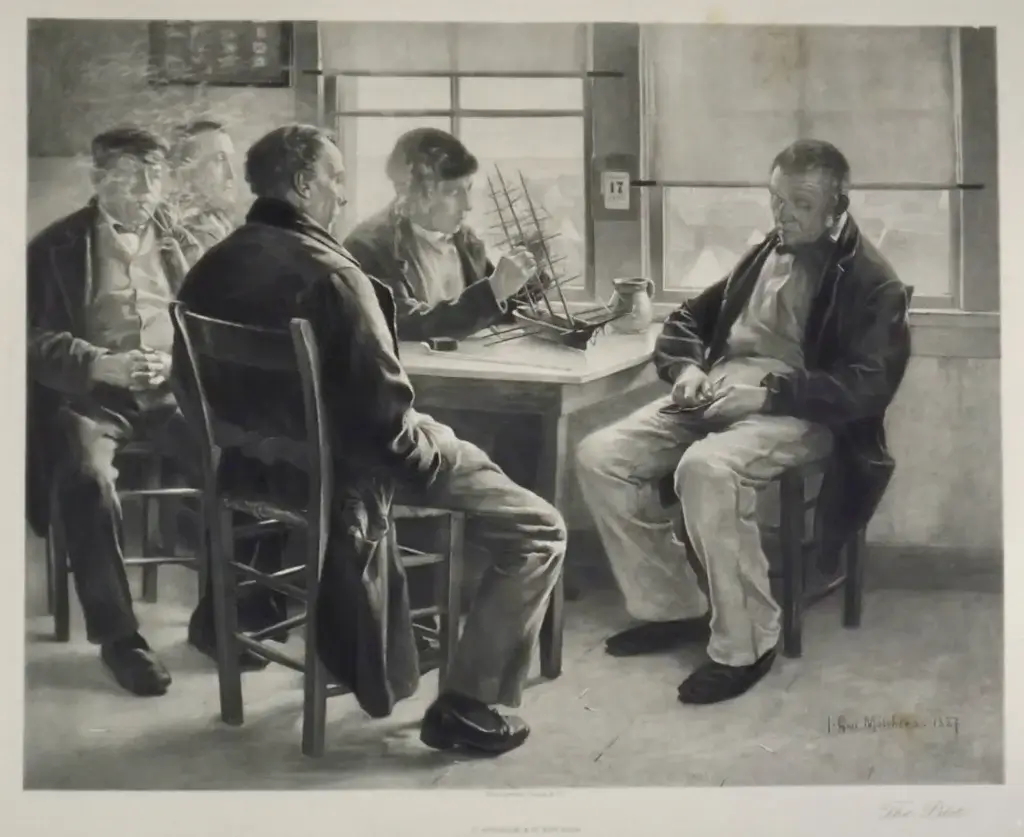
As European colonies developed along the Gulf Coast, sailors and seafarers became essential workers in the growing maritime economy. Crews aboard sailing vessels transported goods, people, and supplies between Gulf ports, the Caribbean, and the Atlantic world.
Harbor pilots played a particularly critical role. Gulf Coast waters—marked by shifting sandbars, shallow channels, and strong currents—required local expertise to safely guide ships into port. Pilots’ intimate knowledge of local conditions made maritime trade possible and protected valuable cargo and lives.
These early maritime professionals ensured that ports such as Mobile, New Orleans, and Galveston could function as reliable centers of commerce.
Dockworkers and Stevedores
Once ships reached port, dockworkers took over. Stevedores loaded and unloaded cargo by hand, moving bales of cotton, barrels of goods, lumber, and later bulk commodities. Their labor was physically demanding and often dangerous, performed in all weather conditions.
Dock work supported entire communities along the Gulf Coast. Many dockworkers were immigrants or people of color whose contributions were essential to port operations but often went unrecognized. Their work allowed Gulf ports to move massive quantities of goods efficiently, fueling regional and national economies.
Shipbuilders and Shipyard Workers
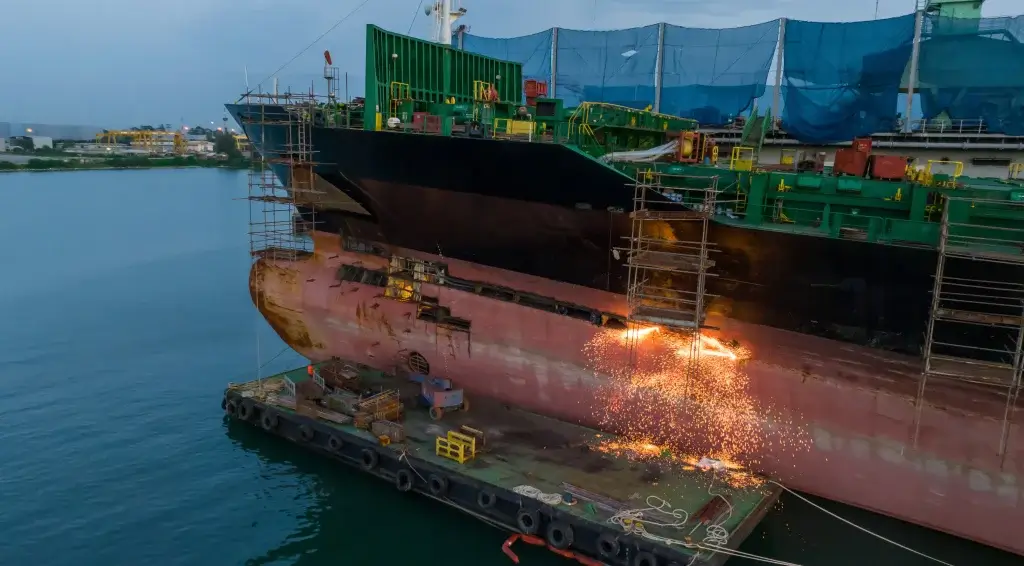
Shipbuilding has been one of the most influential maritime industries on the Gulf Coast. From wooden boatbuilders crafting fishing vessels to large industrial shipyards producing steel ships, shipyard labor created skilled, high-demand jobs.
Shipbuilders included carpenters, welders, engineers, electricians, and designers. During periods of war, Gulf Coast shipyards expanded rapidly, employing thousands and producing vessels for national defense. These jobs brought economic stability and helped cities grow around shipyard complexes.
Shipyard work also encouraged technological innovation, driving advances in materials, engineering, and production methods.
Fishermen and Seafood Workers
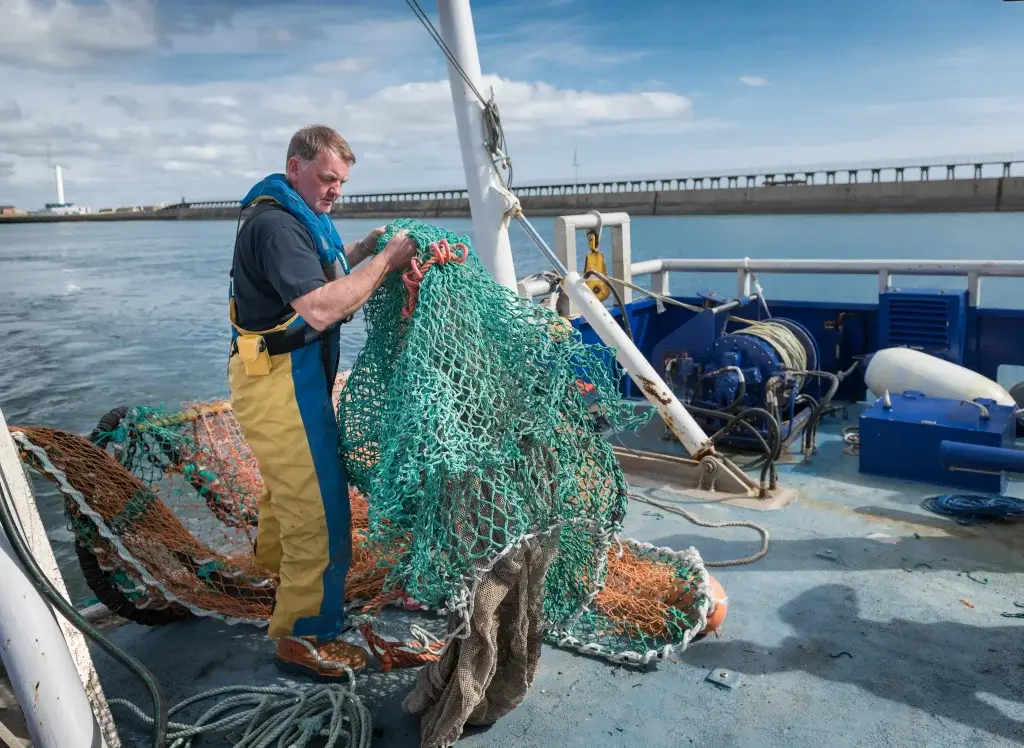
Fishing has long been a cornerstone of the Gulf Coast economy. Commercial fishermen harvested shrimp, oysters, fish, and crabs from bays and offshore waters, supplying markets across the country.
Fishing families developed generations of expertise, learning how to read the water and respond to changing conditions. Their work supported related industries, including boatbuilding, net making, ice production, seafood processing, and transportation.
Seafood processors—often women working in canneries and packing houses—played a vital role in turning fresh catches into market-ready products. Together, these jobs sustained coastal towns and preserved distinctive cultural traditions.
Riverboat Crews and Inland Trade
The Gulf Coast economy was deeply connected to inland waterways. Riverboat crews operated steamboats and barges along rivers that fed into the Gulf, transporting agricultural products, timber, and manufactured goods.
Captains, deckhands, engineers, and cooks worked together to move cargo efficiently between inland communities and Gulf ports. This river-based labor linked farmers and manufacturers to international markets, making the Gulf Coast a vital economic gateway for the interior of the United States.
Maritime Merchants and Port Managers
Behind the scenes of physical labor were maritime merchants, agents, and port officials who coordinated trade. These professionals arranged shipping contracts, managed warehouses, insured cargo, and negotiated international deals.
Port managers and harbor masters oversaw daily operations, balancing safety, efficiency, and growth. Their work ensured that ports adapted to new technologies, larger ships, and changing trade patterns. Together, these roles helped transform Gulf ports into complex economic engines.
Offshore Energy Workers
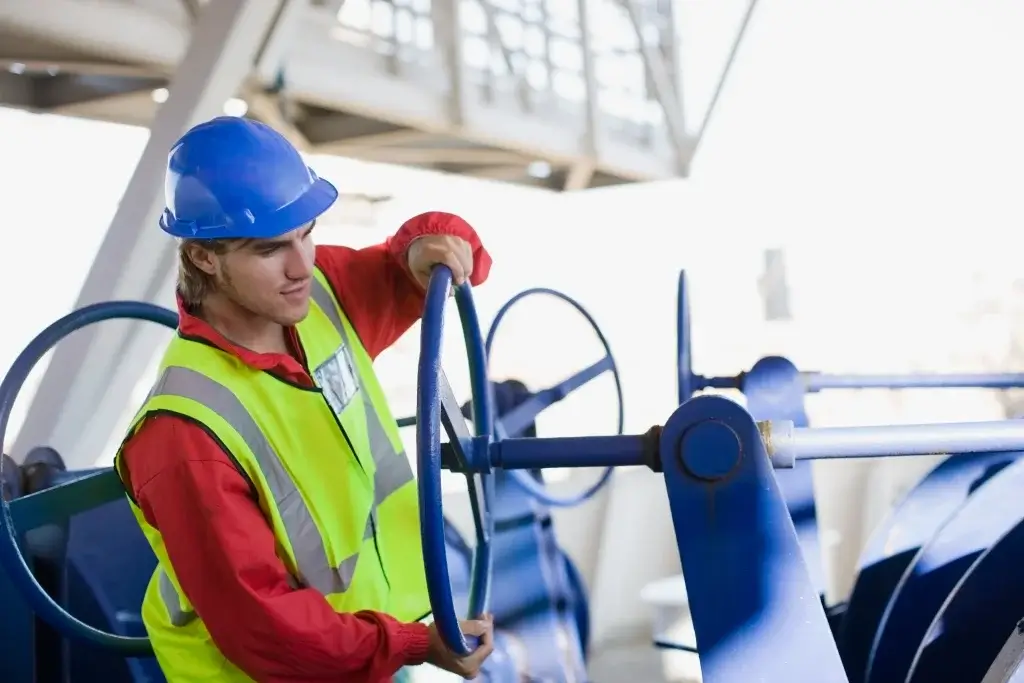
In the mid-20th century, the discovery of oil and natural gas beneath the Gulf reshaped maritime employment. Offshore drilling created new jobs for engineers, rig workers, supply vessel crews, divers, and logistics specialists.
Shipyards built and maintained drilling platforms and support vessels, while ports adapted to serve the energy industry. These maritime jobs brought significant economic growth to the Gulf Coast and connected the region to global energy markets.
While offshore work carried risks, it also required advanced technical skills, reflecting how maritime labor evolved with modern industry.
Military and Defense-Related Maritime Jobs
The Gulf Coast’s strategic location made it a center for naval activity and defense-related maritime employment. Sailors, shipyard workers, and logistics personnel supported military operations during wartime and peacetime.
Naval bases and defense contracts provided stable employment and drove infrastructure development. These jobs reinforced the Gulf Coast’s importance to national security while supporting local economies.
The Human Cost and Community Impact
Maritime jobs were often dangerous, involving long hours, physical strain, and exposure to harsh conditions. Accidents at sea, in shipyards, and on docks were part of daily risk.
Despite these challenges, maritime work fostered strong community bonds. Waterfront neighborhoods formed around shared labor and cultural traditions, creating identities rooted in the sea. Festivals, foodways, and oral histories reflect the enduring influence of maritime labor on Gulf Coast life.
Maritime Work Today and Preservation
Today, maritime jobs continue to support the Gulf Coast economy, from port logistics and shipbuilding to fishing and offshore energy. Automation and technology have changed many roles, but the need for skilled maritime workers remains.
Maritime museums play a vital role in preserving the stories of these workers. Tools, photographs, vessels, and personal accounts help ensure that the labor behind the Gulf Coast’s economic growth is remembered and honored.
Conclusion
The Gulf Coast economy was built by people who worked on and around the water. Sailors, dockworkers, shipbuilders, fishermen, pilots, and countless others turned natural waterways into pathways of opportunity.
By exploring maritime jobs, museums help visitors understand that the Gulf Coast’s history is not just about ships and trade—it is about the workers whose skill, endurance, and knowledge shaped a region and connected it to the world.