
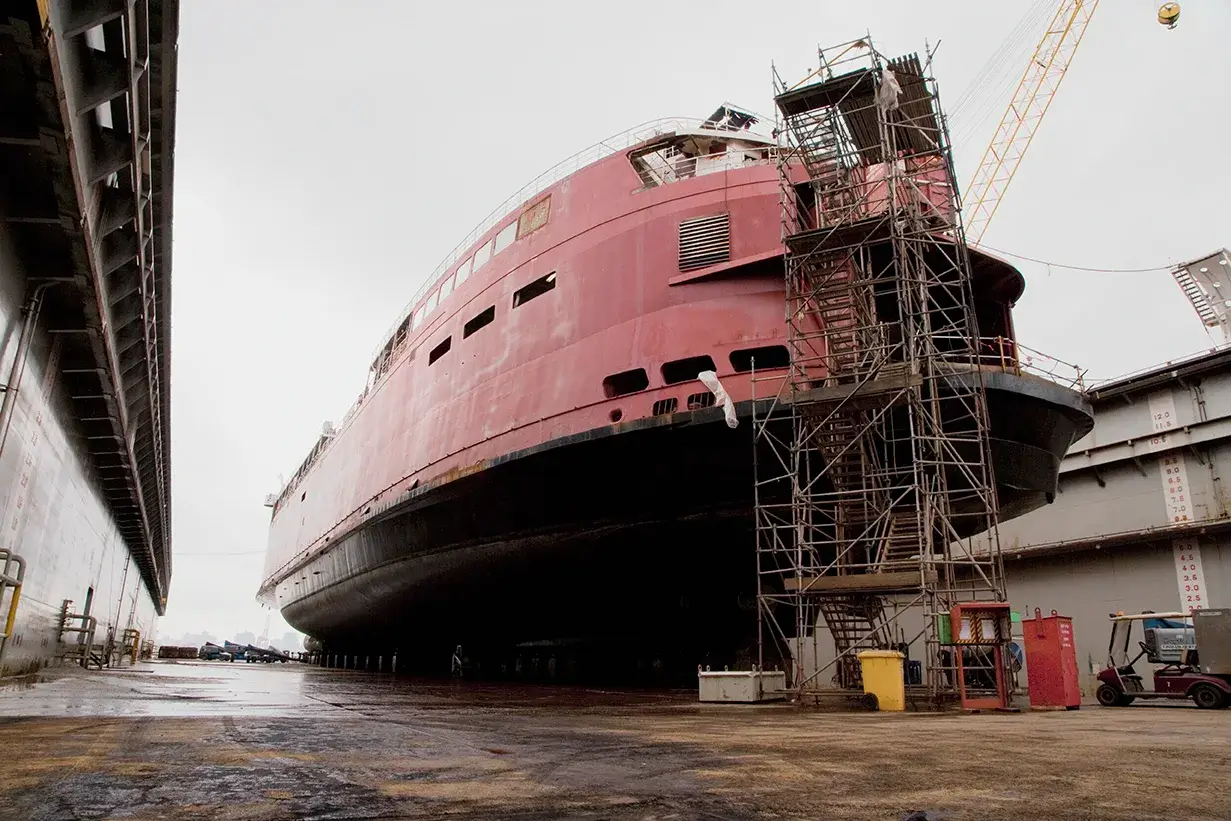
Shipbuilding has played a central role in the development of the United States, shaping its economy, defense, and maritime identity. From Indigenous watercraft and colonial wooden vessels to steel warships and modern commercial fleets, American shipbuilding reflects the nation’s ingenuity, resources, and evolving relationship with the sea. The story of shipbuilding is also a human one—defined by skilled labor, innovation, and communities built around shipyards and waterfronts.
For The National Maritime Museum of the Gulf, the history of shipbuilding offers a powerful lens through which to explore technological progress, regional growth, and national priorities across centuries.

Indigenous Foundations and Early Craft
Long before European colonization, Indigenous peoples across North America developed sophisticated boatbuilding traditions. Canoes carved from logs, birchbark canoes, and skin-covered kayaks were expertly designed for local waters, whether rivers, lakes, or coastal seas. These vessels enabled fishing, trade, travel, and cultural exchange, and many designs demonstrated remarkable efficiency and environmental adaptation.
European settlers often relied on Indigenous knowledge when navigating American waterways. These early watercraft laid the foundation for a maritime culture that valued practical design, local materials, and skilled craftsmanship.
Colonial Shipbuilding and the Rise of a Maritime Economy
Shipbuilding became a major industry in the American colonies during the 17th and 18th centuries. Abundant forests provided timber, while coastal access made shipyards a natural part of colonial ports. New England, in particular, emerged as a shipbuilding center, producing fishing vessels, merchant ships, and coastal traders.
Colonial shipbuilders were known for producing sturdy, cost-effective vessels that competed successfully in international markets. Ships built in American yards carried goods throughout the Atlantic world, supporting trade networks that connected Europe, Africa, the Caribbean, and North America.
Shipbuilding also supported related industries, including lumber, ironworking, rope-making, and sailmaking. By the time of the American Revolution, shipyards were vital to the colonial economy and maritime identity.
Shipbuilding and the American Revolution
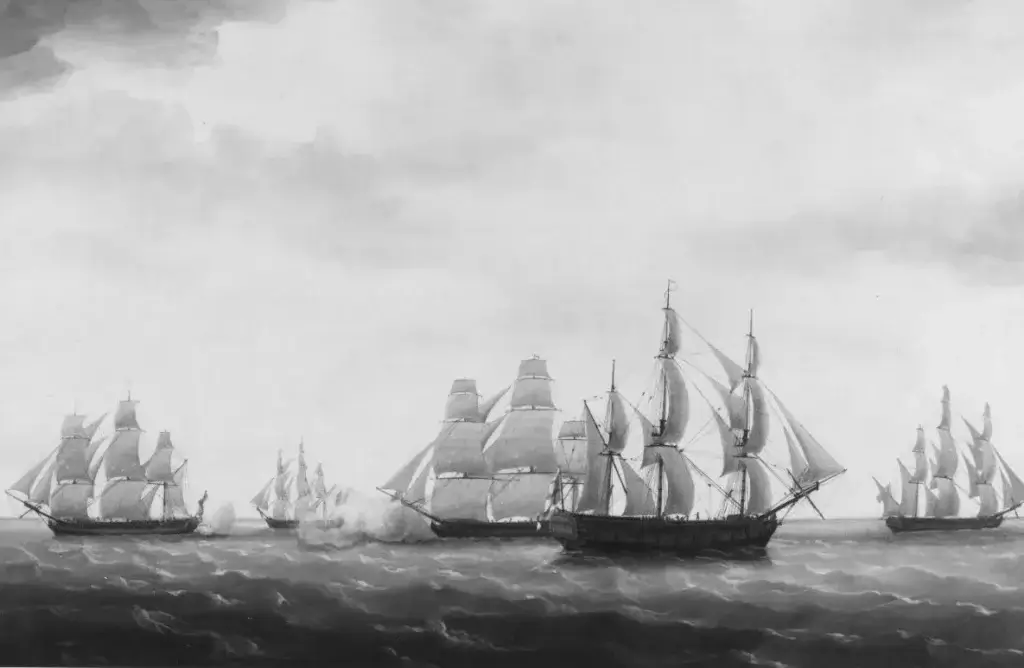
During the American Revolution, shipbuilding took on strategic importance. Control of the seas was essential for trade, supply lines, and military success. Colonial shipyards produced vessels for privateers and naval use, disrupting British shipping and supporting the war effort.
Although the young nation lacked the resources of established European navies, American shipbuilders adapted quickly. After independence, the United States recognized the need for a permanent naval force, leading to the construction of early warships that symbolized national sovereignty and maritime ambition.
Expansion, Innovation, and the Age of Sail
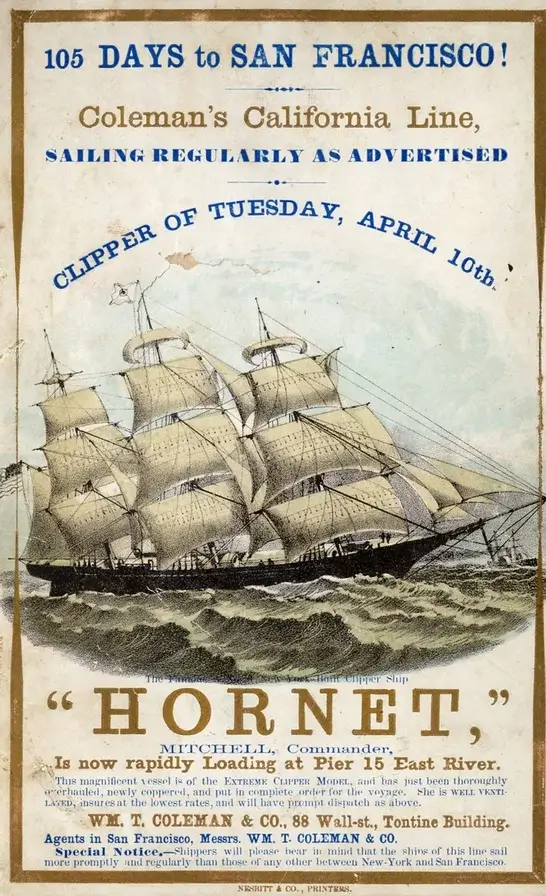
The late 18th and early 19th centuries marked a golden age of American wooden shipbuilding. Innovations in hull design and construction techniques produced fast, efficient vessels such as clipper ships, which became famous for their speed and performance. These ships supported global trade, carrying goods and passengers between the United States, Asia, Europe, and South America.
Shipyards expanded along the Atlantic coast and inland waterways. Rivers such as the Mississippi and Ohio supported the growth of steamboat construction, revolutionizing inland transportation and commerce. The combination of sail and steam technologies reflected a period of rapid experimentation and growth.
Industrialization and the Shift to Iron and Steel
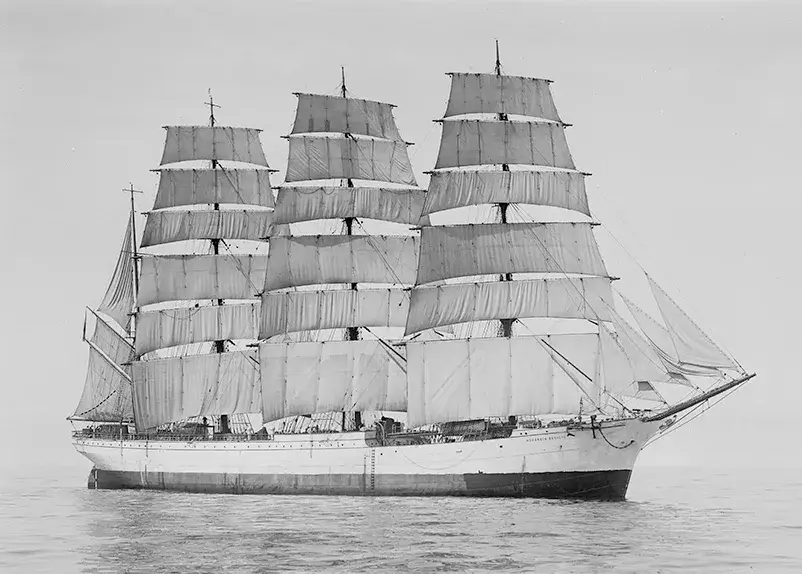
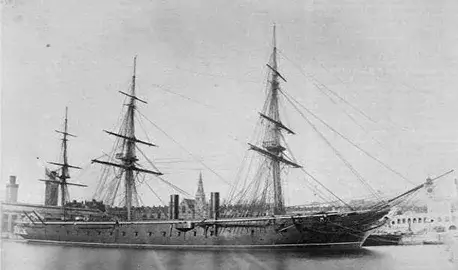
The mid-to-late 19th century brought dramatic changes to American shipbuilding. Industrialization introduced new materials, tools, and production methods. Iron-hulled ships and, later, steel vessels replaced traditional wooden construction, offering greater strength and durability.
Shipyards became larger and more industrialized, particularly in major ports such as Philadelphia, New York, Baltimore, and along the Great Lakes. Advances in engine technology and metallurgy transformed both commercial and naval shipbuilding.
This period also saw the professionalization of ship design, with naval architects and engineers playing a growing role. Shipbuilding shifted from a primarily craft-based tradition to a complex industrial enterprise.
Shipbuilding in Wartime
Wartime demands have repeatedly reshaped American shipbuilding. During the Civil War, shipyards produced ironclads and other innovative vessels that changed naval warfare. The conflict demonstrated how industrial capacity and technological adaptation could influence military outcomes.
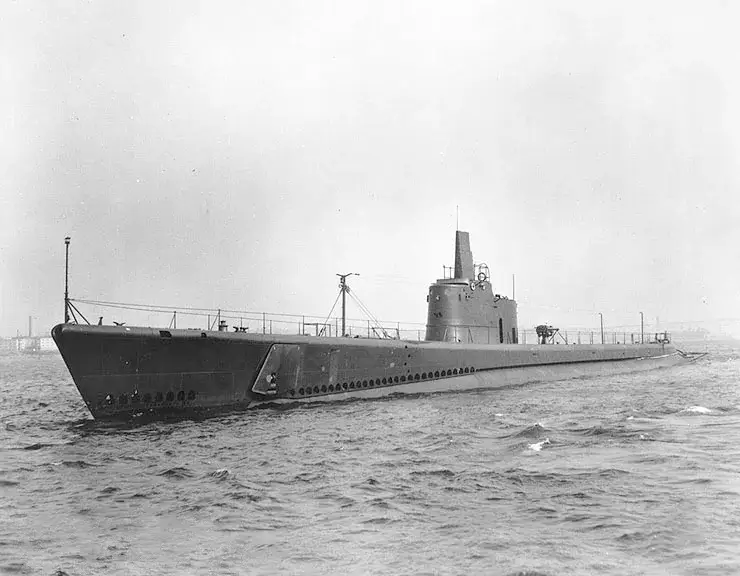
The two World Wars marked unprecedented expansions in shipbuilding. During World War I and World War II, American shipyards produced thousands of vessels at remarkable speed. The Liberty and Victory ships of World War II became symbols of industrial power, built by a diverse workforce that included women and minority laborers.
These wartime efforts left lasting legacies, including expanded shipyard infrastructure, advances in mass production, and changes in labor practices.
Postwar Challenges and Transformation
After World War II, American shipbuilding faced new challenges. Global competition increased, and commercial shipbuilding declined in many regions. However, naval construction and specialized vessels remained important sectors.
Shipyards adapted by focusing on advanced technologies, including nuclear-powered submarines, aircraft carriers, and offshore energy platforms. Innovation continued, even as the industry became more specialized and capital-intensive.
Coastal communities that once depended heavily on shipbuilding experienced economic shifts, highlighting the industry’s deep connection to local identities and livelihoods.
Shipbuilding Today and Its Legacy
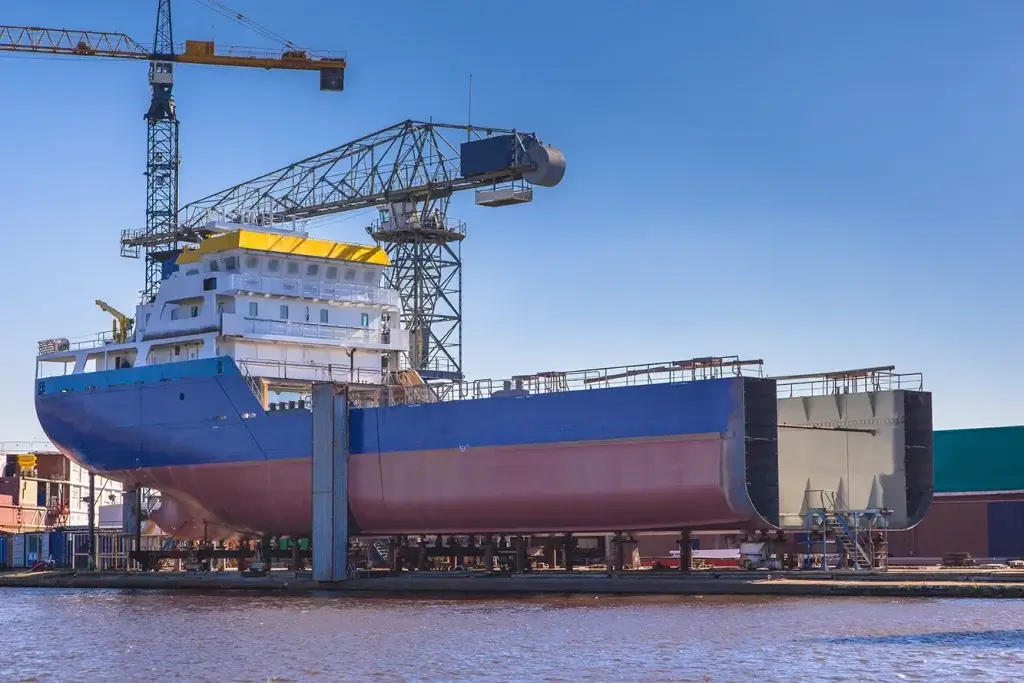
Today, shipbuilding in the United States combines tradition and technology. Modern shipyards use advanced design software, automation, and specialized materials to build complex vessels for defense, commerce, research, and recreation.
The legacy of American shipbuilding is visible in preserved historic ships, shipyard sites, and maritime museums. These resources tell stories of craftsmanship, innovation, and the people whose labor built the nation’s maritime strength.
Conclusion
The history of shipbuilding in the United States is a story of adaptation and ingenuity. From Indigenous canoes to steel warships, shipbuilders have responded to changing environments, technologies, and national needs. Shipbuilding supported trade, secured borders, and shaped communities along the nation’s waterways.
For a maritime museum, this history offers a compelling way to connect visitors with the technological, economic, and human forces that shaped the United States. The ships themselves may rest in harbors or museums, but the legacy of American shipbuilding continues to influence the nation’s relationship with the sea.