
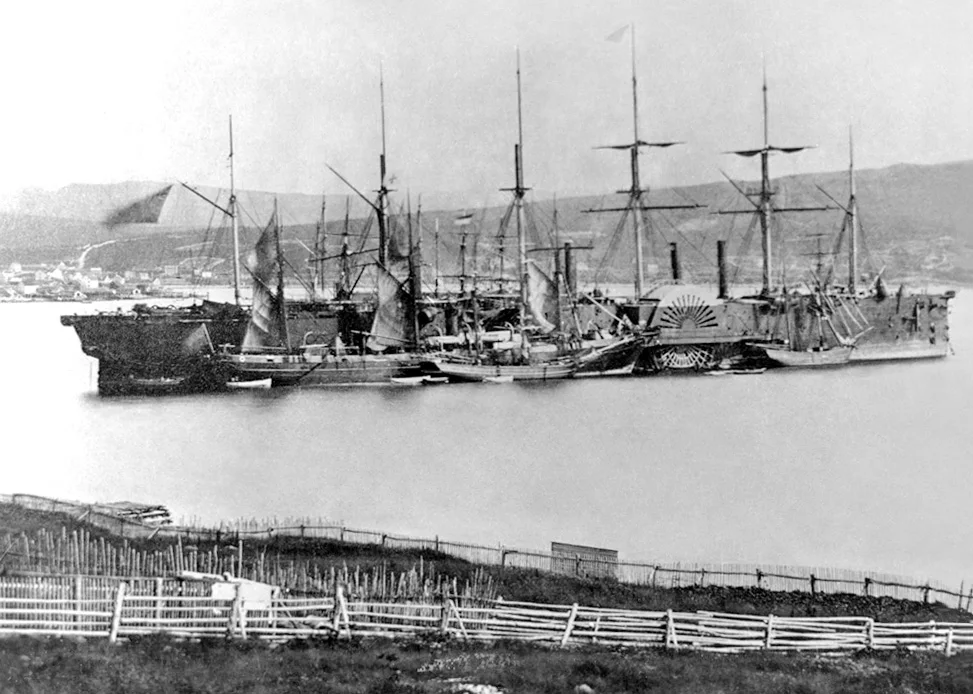
The 1800s were a defining century for life at sea. Sailors powered global trade, exploration, fishing, and warfare during an era when oceans were the primary highways connecting continents. Yet life aboard a 19th‑century vessel was far removed from the romance often associated with tall ships and distant horizons. For the men—and in rare cases, women—who worked at sea, daily life was shaped by hard labor, strict discipline, danger, and long stretches away from home.
For a maritime museum, exploring the lived experience of sailors in the 1800s helps humanize maritime history. Ships may be the most visible artifacts of the past, but it was the sailors themselves who kept them moving.
Who Were the Sailors?
Sailors in the 1800s came from diverse backgrounds. Many were young men seeking steady work or adventure, while others turned to the sea out of economic necessity. Ports attracted laborers from coastal towns, inland communities, and foreign countries. Immigrants often found maritime work one of the few options available to them upon arrival.
Crews were frequently multinational, multilingual, and socially diverse. Sailors worked alongside people of different races, religions, and cultures—sometimes under harsh inequalities. Enslaved and formerly enslaved men, free Black sailors, and Indigenous mariners all played roles in maritime labor, even as they faced discrimination and limited rights.
Work Aboard Ship
Life at sea revolved around work. Sailors were expected to labor from sunrise to sunset—and often beyond. Tasks included raising and lowering sails, repairing rigging, maintaining the hull, cleaning decks, and standing watch at all hours.
Most ships operated on a watch system, dividing the crew into shifts that rotated day and night. Sleep came in short, irregular intervals. During storms or emergencies, all hands were called on deck, regardless of exhaustion.
The work was physically demanding and dangerous. Sailors climbed rigging high above the deck, worked with heavy equipment, and faced constant risks from falls, accidents, and rough weather. Injuries were common, and medical care was limited.
Food, Drink, and Daily Rations
Meals aboard ship were simple and repetitive. Common staples included hardtack (a dense biscuit), salted meat, dried peas or beans, and occasionally rice or oatmeal. Fresh food was rare on long voyages, and sailors often suffered from poor nutrition.
Water was stored in barrels and could become stagnant over time. Alcohol—usually rum or grog—was sometimes issued as part of daily rations, believed to boost morale and preserve water supplies.
Scurvy, caused by vitamin C deficiency, remained a serious threat well into the 19th century, despite growing awareness of its prevention. Food quality and quantity often depended on the ship’s captain, owner, and the length of the voyage.
Living Conditions Below Deck
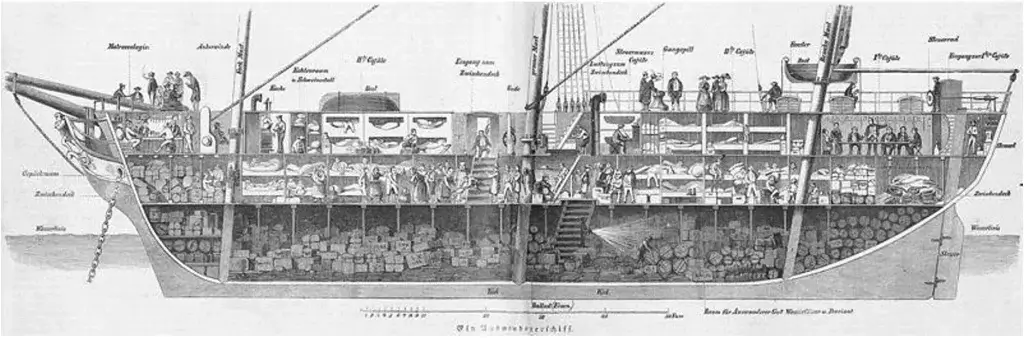
Living quarters aboard 19th‑century ships were cramped, dark, and uncomfortable. Ordinary sailors slept below deck in shared spaces, often in hammocks or narrow bunks. Privacy was virtually nonexistent.
Ventilation was poor, and conditions could become hot, damp, and foul-smelling. Rats, insects, and mold were common companions. During rough seas, sleeping and eating below deck could be miserable or even dangerous.
Despite these hardships, sailors developed ways to make life bearable—sharing stories, carving small objects, or personalizing their sleeping spaces when possible.
Discipline and Authority
Life at sea was governed by strict hierarchy and discipline. The captain held near-absolute authority, supported by officers such as mates and boatswains. Obedience was expected, and discipline was enforced through fines, confinement, or corporal punishment.
Flogging and other harsh penalties were legal and widely practiced early in the century, particularly in naval service. While reform movements gradually reduced these practices, fear of punishment remained a defining feature of shipboard life.
Tensions between sailors and officers could run high, especially on long voyages or poorly managed ships. Mutinies, though rare, reflected the extreme pressures sailors sometimes faced.
Danger and Uncertainty
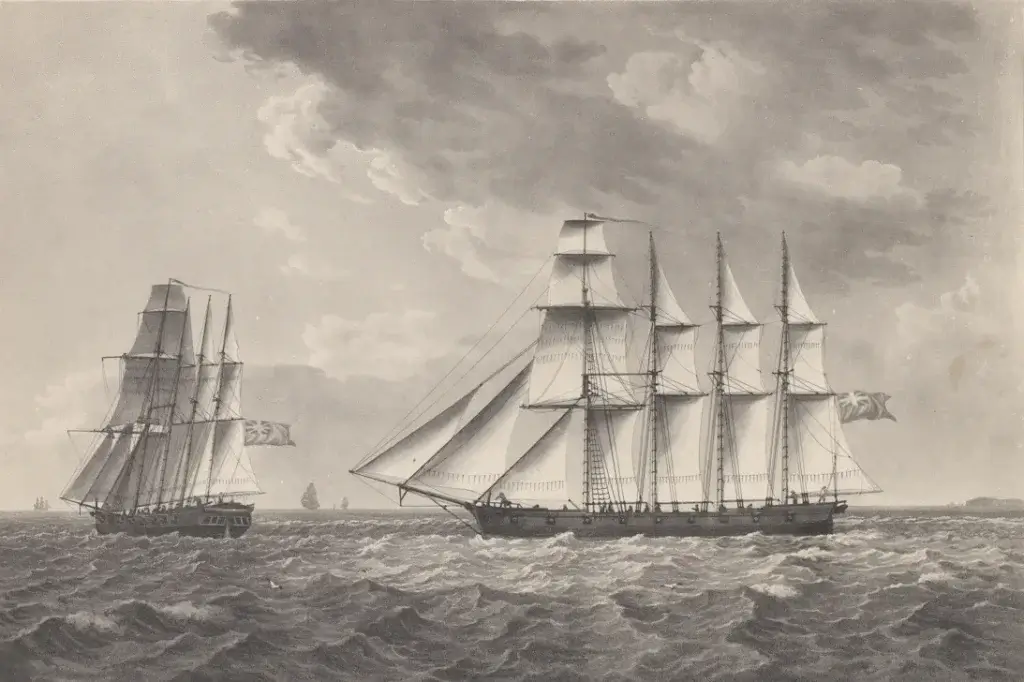
The sea was unpredictable, and danger was a constant companion. Storms, shipwrecks, fires, and disease claimed countless lives. Navigation errors or mechanical failures could strand ships far from help.
Sailors also faced threats from piracy, wartime conflict, and hazardous cargoes. Insurance and safety regulations were limited, and a single accident could end a sailor’s career—or life.
Despite these risks, many sailors returned to sea again and again, drawn by wages, tradition, or a sense of identity tied to maritime life.
Community, Culture, and Camaraderie
Amid hardship, sailors formed strong bonds with one another. Shared labor and danger fostered camaraderie and mutual dependence. Songs, known as sea shanties, helped coordinate work and relieve monotony.
Sailors developed their own customs, superstitions, and language. Tattoos, talismans, and rituals reflected beliefs about luck, protection, and belonging. Storytelling and music provided comfort during long voyages.
These cultural traditions are an important part of maritime heritage, offering insight into how sailors made sense of their world.
Shore Leave and Life Between Voyages
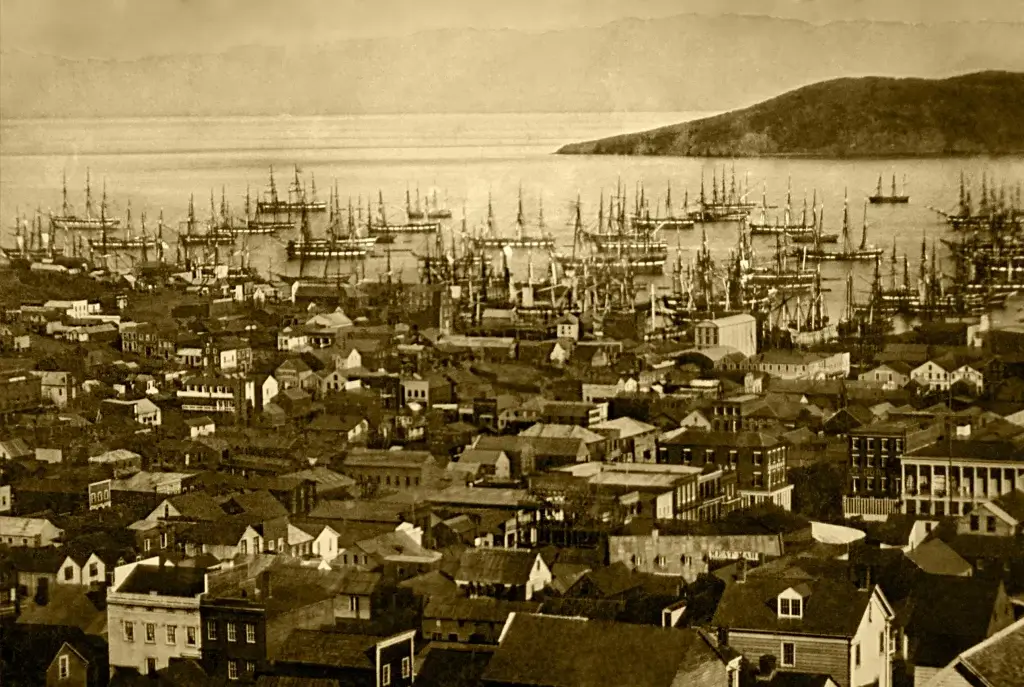
Time ashore offered relief from shipboard discipline, but it could be brief and unpredictable. Sailors spent shore leave resting, socializing, and handling personal business. Port cities catered to maritime workers with lodging, entertainment, and supply shops.
However, sailors were often exploited while ashore through unfair contracts, debt, or deception. Life between voyages was uncertain, and steady employment was never guaranteed.
Why Sailors’ Lives Matter Today
Understanding life at sea in the 1800s brings maritime history into focus by centering the experiences of ordinary people. Sailors were essential to trade, exploration, migration, and national power, yet their voices are often underrepresented in historical records.
Maritime museums preserve logbooks, tools, clothing, and personal effects that help tell these stories. By examining daily life aboard ship, visitors gain a deeper appreciation for the human cost of maritime enterprise.
Conclusion
Life at sea in the 1800s was demanding, dangerous, and often unforgiving. Sailors endured long hours, harsh discipline, limited comforts, and constant risk. Yet they also built strong communities, developed rich traditions, and played a vital role in shaping the modern world.
For a maritime museum, sharing these stories honors the resilience and labor of the sailors who carried people, goods, and ideas across the oceans. Their experiences remind us that maritime history is not only about ships and routes, but about the lives lived upon the water.