
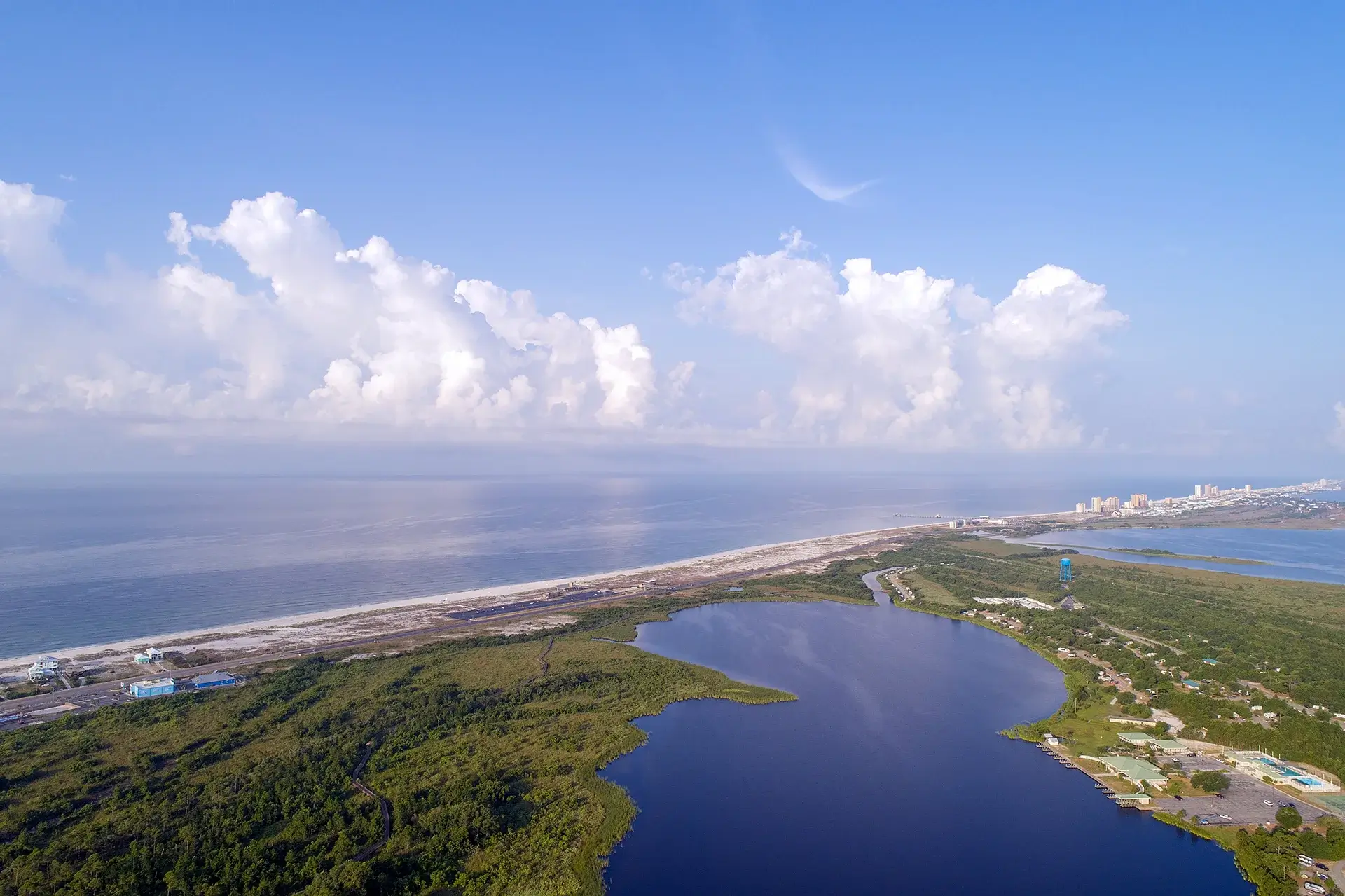
The Gulf, a vast body of water bordered by the United States, Mexico, and Cuba, is one of the most ecologically and economically significant regions in the world. It is home to a rich diversity of marine life, vital habitats, and some of the most productive fisheries on the planet. At the same time, it faces numerous environmental challenges, including pollution, climate change, and habitat destruction. Marine science plays a critical role in understanding, managing, and protecting this vital ecosystem.
The Ecological Importance of the Gulf
The Gulf covers an area of approximately 600,000 square miles and includes diverse ecosystems such as coral reefs, seagrass beds, salt marshes, and mangroves. These habitats support an incredible variety of marine species, from tiny plankton to massive whales. Some key ecological roles of the Gulf include:
- Biodiversity Hotspot: The Gulf is home to over 15,000 species of marine life, including fish, invertebrates, birds, and marine mammals. Iconic species such as sea turtles, manatees, and whale sharks rely on its waters for survival.
- Fisheries: The Gulf supports one of the most productive fisheries in the world. Shrimp, crab, red snapper, and tuna are just a few of the commercially valuable species harvested here.
- Carbon Sequestration: Coastal habitats like seagrass beds and mangroves act as natural carbon sinks, helping to mitigate the impacts of climate change by absorbing and storing large amounts of carbon dioxide.
- Storm Protection: Wetlands and barrier islands in the Gulf region provide critical protection against hurricanes and storm surges by reducing the impact of waves and flooding on coastal communities.
Major Environmental Challenges
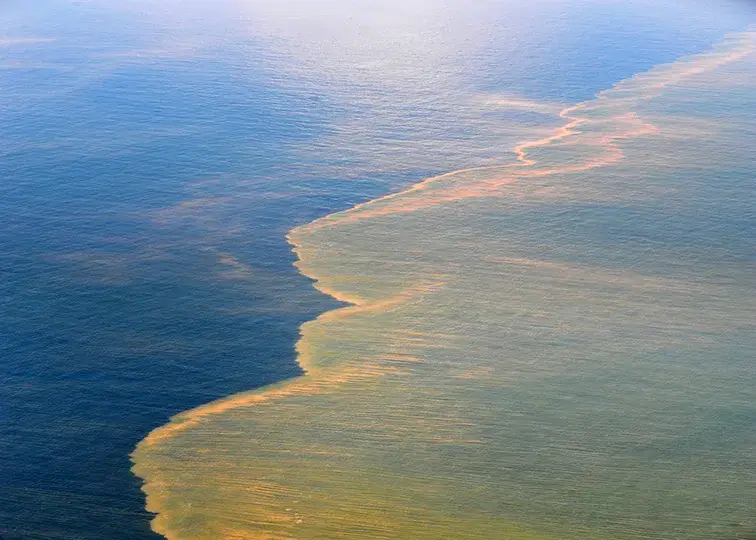
While the Gulf is a vital natural resource, it is also one of the most threatened marine ecosystems. The following challenges highlight the urgent need for focused marine science and environmental management:
- Oil Spills: The 2010 Deepwater Horizon disaster was a stark reminder of the risks associated with offshore oil drilling. The spill released over 4 million barrels of oil into the Gulf, causing widespread damage to marine life and habitats. Decades later, the region continues to grapple with its long-term effects.
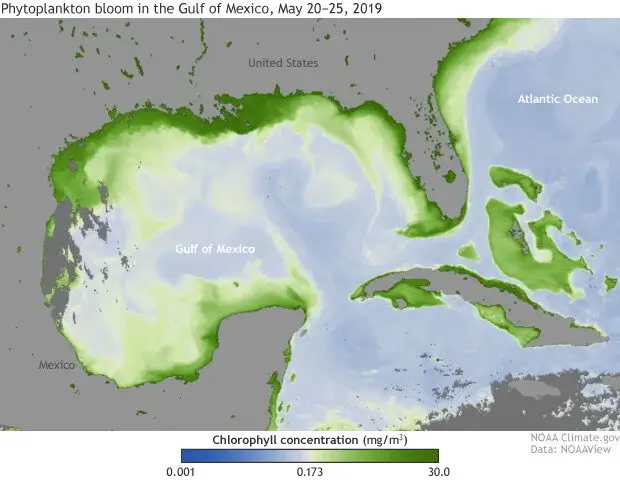
- Hypoxia and Dead Zones: Agricultural runoff from the Mississippi River Basin delivers large amounts of nutrients, such as nitrogen and phosphorus, into the Gulf. This nutrient pollution fuels algal blooms, which deplete oxygen in the water and create “dead zones” where marine life cannot survive. The Gulf’s dead zone is one of the largest in the world, averaging about 6,000 square miles annually.
- Climate Change: Rising sea temperatures, ocean acidification, and sea level rise are altering the Gulf’s ecosystems. Coral reefs are particularly vulnerable to warming waters, while sea level rise threatens coastal habitats and communities.
- Plastic Pollution: The Gulf is inundated with plastic waste from rivers, shipping lanes, and coastal activities. Microplastics have been found in fish, shellfish, and even deep-sea sediments, posing risks to marine life and human health.
- Overfishing: Despite regulations, some fish populations in the Gulf remain overexploited. Overfishing disrupts food webs and threatens the long-term sustainability of fisheries.
The Role of Marine Science
Marine scientists are at the forefront of efforts to understand and address these challenges. Through research, monitoring, and innovation, they provide critical insights that inform conservation and management strategies. Key areas of marine science in the Gulf include:
- Ecosystem Monitoring: Scientists use advanced technologies like satellite imagery, underwater drones, and acoustic sensors to monitor the health of marine habitats and track changes over time. Long-term datasets are essential for detecting trends and assessing the effectiveness of conservation measures.
- Fisheries Science: Research on fish populations, reproductive cycles, and migration patterns helps guide sustainable fishing practices. Stock assessments and catch limits are based on scientific data to ensure that fisheries remain productive for future generations.
- Climate Research: Marine scientists study the impacts of climate change on the Gulf’s ecosystems, from coral bleaching events to shifts in species distributions. This research is vital for developing adaptive management strategies.
- Pollution Studies: Understanding the sources and impacts of pollutants like oil, plastics, and agricultural runoff is a key focus of marine science. Innovative cleanup methods and prevention strategies are being developed to reduce pollution in the Gulf.
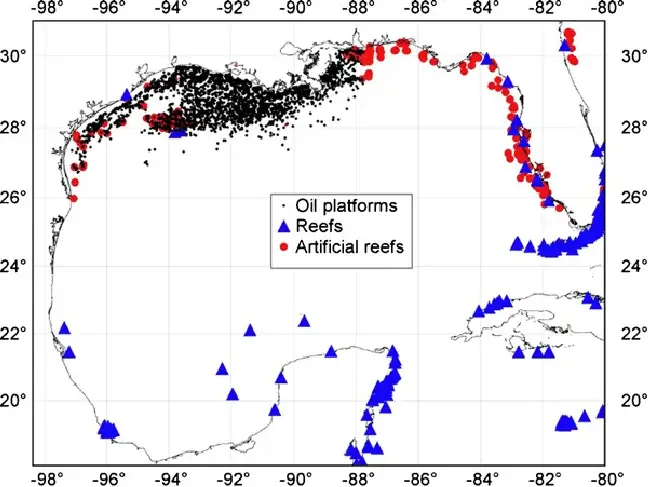
- Restoration Ecology: Scientists are working to restore damaged habitats, such as coral reefs, seagrass beds, and wetlands. Restoration projects often involve planting native vegetation, constructing artificial reefs, and reintroducing key species to degraded areas.
Success Stories in Gulf Conservation
Despite the challenges, there have been notable successes in conserving and restoring the Gulf’s environment:
- Artificial Reefs: The creation of artificial reefs using sunken ships, concrete structures, and other materials has boosted fish populations and provided new habitats for marine life. The USS Oriskany, an aircraft carrier intentionally sunk off the coast of Florida, is now a thriving reef and popular dive site.
- Wetland Restoration: Large-scale projects to restore wetlands in Louisiana and other Gulf states have helped rebuild critical habitats, improve water quality, and protect coastal communities from storm surges.
- Sea Turtle Conservation: Conservation efforts, such as protecting nesting beaches and reducing bycatch in fishing gear, have helped increase populations of endangered sea turtles, including Kemp’s ridley, which is native to the Gulf.
- Reducing Dead Zones: Collaborative efforts among states in the Mississippi River Basin aim to reduce nutrient runoff through better agricultural practices, such as cover cropping and precision fertilization.
The Future of the Gulf
Looking ahead, the Gulf’s future depends on continued investment in marine science, conservation, and sustainable management. Key priorities include:
- Climate Resilience: Building resilient ecosystems and communities will require innovative approaches, such as restoring coastal habitats that act as natural buffers and investing in green infrastructure.
- Sustainable Practices: Encouraging sustainable fishing, reducing pollution, and adopting renewable energy sources can help balance economic growth with environmental protection.
- Public Engagement: Raising awareness about the Gulf’s importance and fostering community involvement in conservation efforts will be critical for long-term success.
- Collaborative Research: Partnerships among governments, academic institutions, non-profits, and industries can drive scientific innovation and improve resource management across the Gulf region.
Conclusion
The Gulf is a vital resource for biodiversity, economic activity, and cultural heritage. While it faces significant environmental challenges, the dedication of marine scientists and the commitment to sustainable practices offer hope for its future. By continuing to invest in research, restoration, and conservation, we can ensure that the Gulf remains a vibrant and thriving ecosystem for generations to come.