
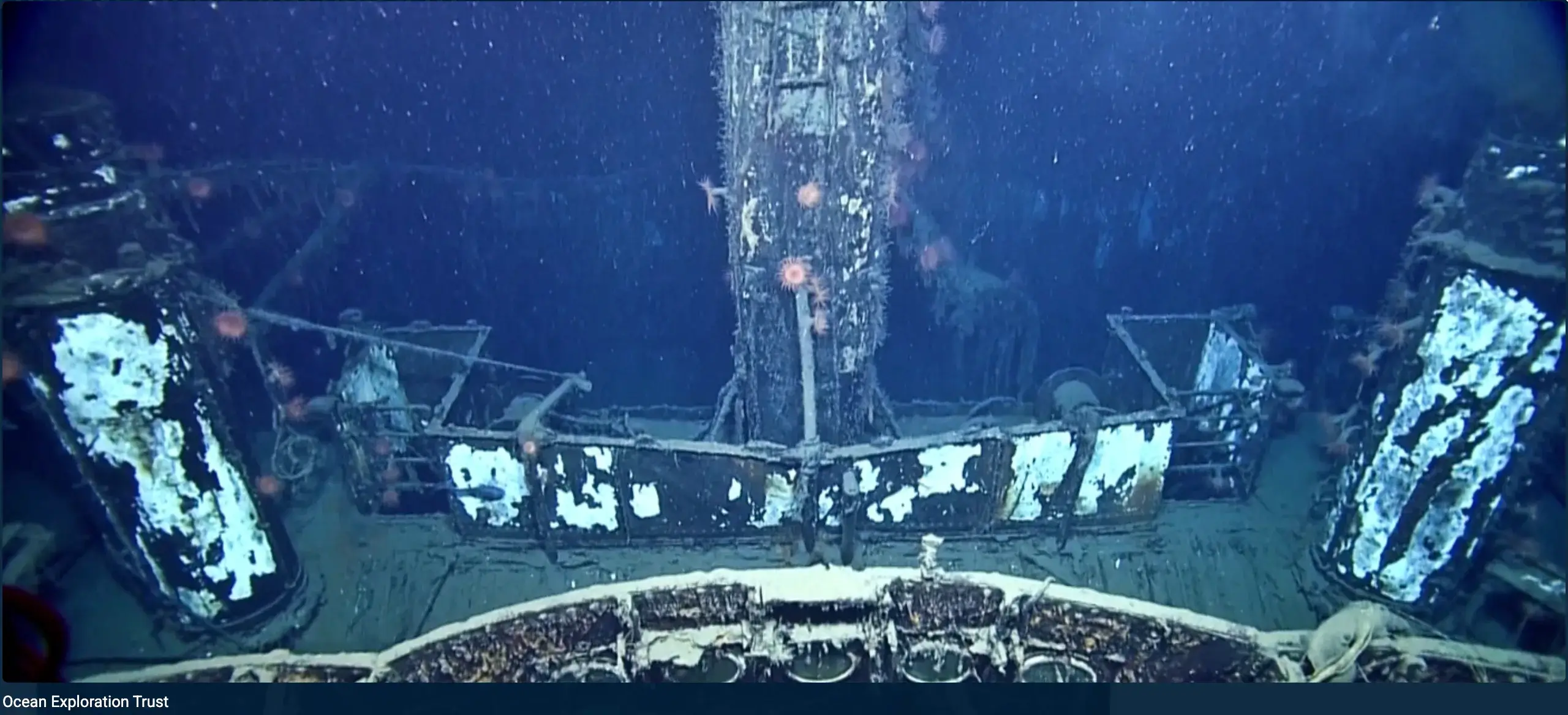
The Gulf, with its rich history and strategic importance during World War II, is home to numerous shipwrecks that serve as underwater time capsules. These wrecks, remnants of naval battles, submarine attacks, and wartime logistics, tell the stories of courage, loss, and resilience. As German U-boats prowled the Gulf waters and Allied forces scrambled to protect vital shipping lanes, these ships became part of the war’s enduring legacy. This blog dives into the stories behind some of the most notable WWII shipwrecks in the Gulf and their significance today.
The Strategic Importance of the Gulf During WWII
The Gulf was a critical theater for the Allied war effort. Its ports were hubs for shipping oil, troops, and supplies, while its waters served as vital shipping lanes connecting the U.S. to global battlefronts. However, this strategic importance also made it a target for German U-boats during Operation Drumbeat (Paukenschlag), an offensive aimed at disrupting Allied supply lines.
Notable WWII Shipwrecks in the Gulf
1. SS Robert E. Lee
- Location: Near the mouth of the Mississippi River
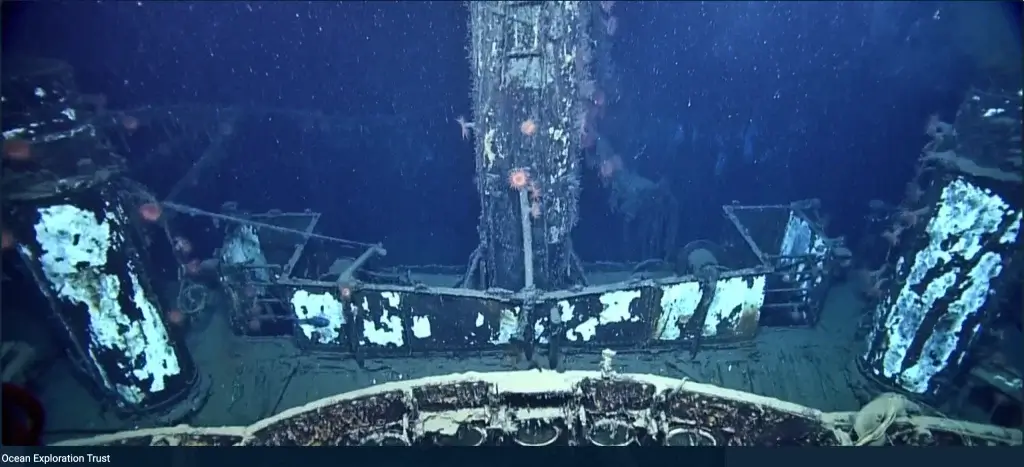
- Story: The SS Robert E. Lee, a passenger and cargo ship, was torpedoed by U-166 on July 30, 1942. The attack led to the ship’s sinking, though most passengers were rescued. Shortly after, U-166 was sunk by the USS PC-566, marking a significant victory for Allied forces.
- Legacy: The wrecks of both the SS Robert E. Lee and U-166 lie near each other, symbolizing the intense naval conflict in the Gulf.
2. SS Virginia
- Location: Off the Louisiana Coast
- Story: One of the first ships targeted during the U-boat campaign in the Gulf, the SS Virginia was sunk in May 1942. Its loss highlighted the vulnerability of unescorted merchant vessels in the early stages of the war.
- Legacy: The sinking of the SS Virginia prompted the adoption of convoy systems and increased naval patrols in the region.
3. Oil Tankers
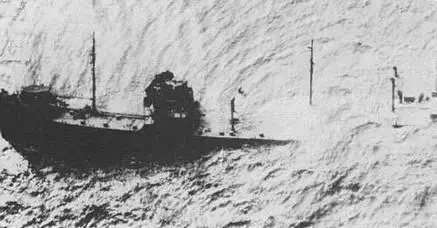
- Notable Wrecks: Tankers such as the Gulfamerica and the R.M. Parker Jr. were among many targeted by U-boats to disrupt the vital flow of oil from the Gulf Coast.
- Impact: These attacks underscored the Gulf’s role as an energy lifeline and accelerated the construction of pipelines to mitigate reliance on vulnerable sea routes.
Life and Loss at Sea
The shipwrecks in the Gulf are not just relics of war; they are also memorials to the lives lost and the bravery displayed:
- Merchant Mariners: Often overlooked, merchant mariners faced significant danger as they transported goods through U-boat-infested waters.
- Rescue Operations: Many shipwreck survivors owed their lives to the bravery of naval escort crews and nearby vessels that responded to distress signals.
The Wrecks Today: Underwater Time Capsules
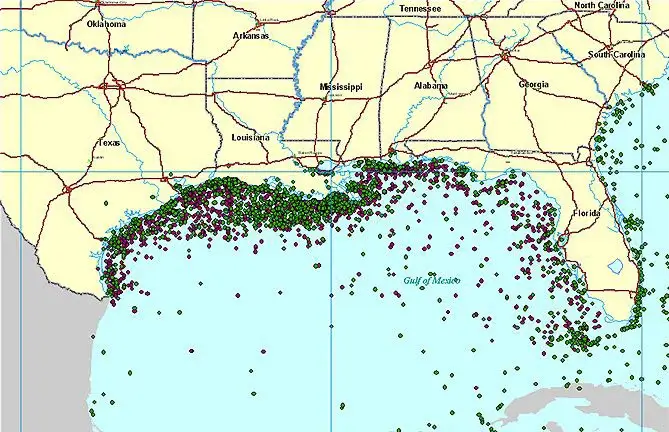
Today, the shipwrecks of WWII in the Gulf serve as historical artifacts and marine habitats:
1. Historical Significance
- Archaeological Sites: These wrecks provide invaluable insights into wartime technology, naval strategies, and daily life aboard ships.
- Memorials: Divers and historians commemorate the sacrifices of those who served by studying and preserving these underwater sites.
2. Marine Ecosystems
- Artificial Reefs: Over time, many wrecks have become thriving ecosystems, hosting diverse marine life and contributing to the Gulf’s biodiversity.
- Conservation Efforts: Organizations work to balance historical preservation with environmental protection, ensuring these wrecks remain intact for future generations.
Lessons from the Past
The stories behind these shipwrecks highlight important lessons:
- Resilience: The response to U-boat attacks demonstrated the adaptability and determination of Allied forces.
- Innovation: The need to protect Gulf shipping lanes spurred advancements in convoy strategies, sonar technology, and pipeline construction.
- Remembrance: Honoring the lives lost ensures that the sacrifices made during WWII are never forgotten.
Conclusion
The WWII shipwrecks in the Gulf are more than just sunken vessels; they are powerful reminders of a critical period in history. From the courageous crews who navigated perilous waters to the innovations that emerged from wartime necessity, these stories continue to inspire and educate. As we explore and preserve these underwater relics, we keep alive the memory of those who gave everything to secure victory.
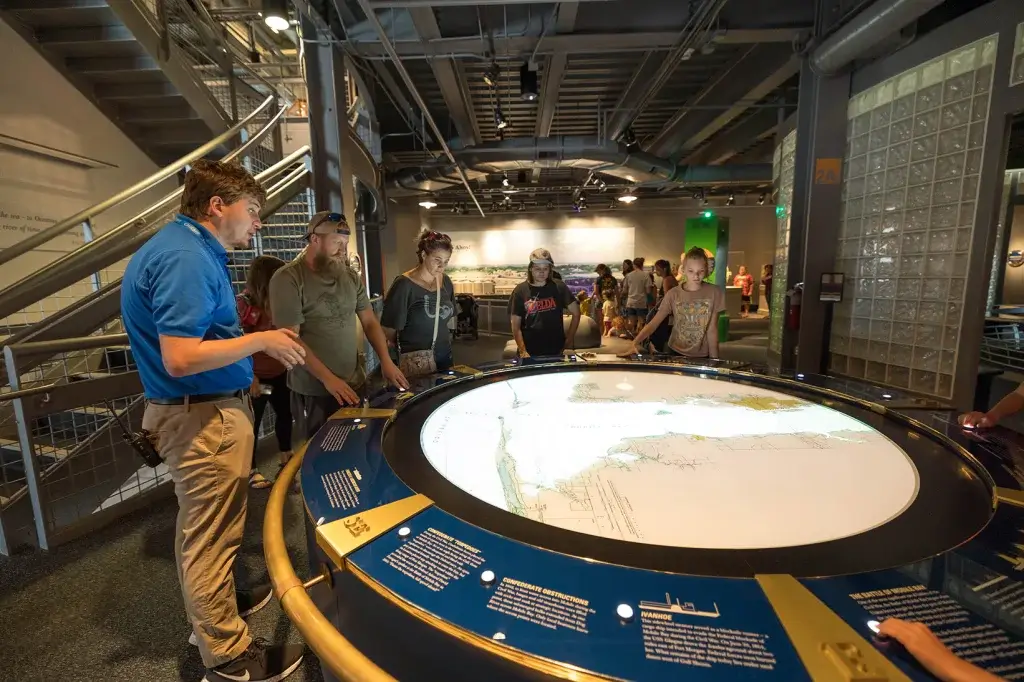
Next time you’re in the museum, stop by Beneath the Bay exhibit and explore more shipwrecks in the area.